Hallux Valgus (Bunions)
What is a Bunion (Hallux Valgus)?
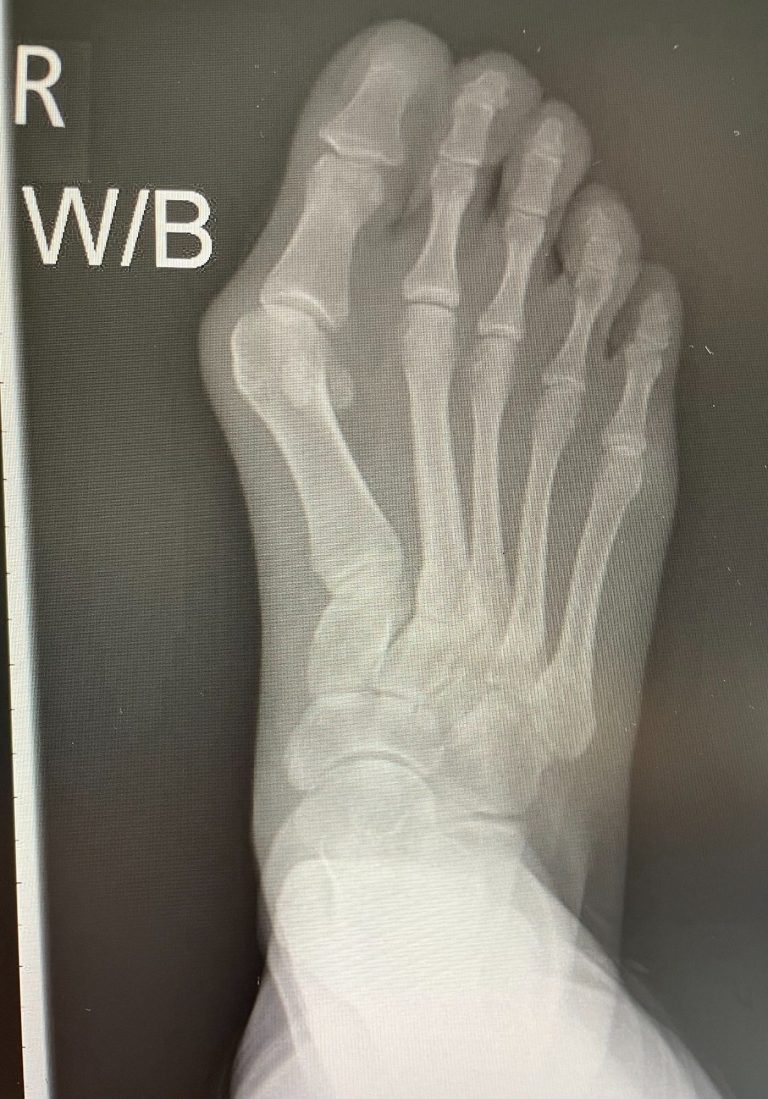
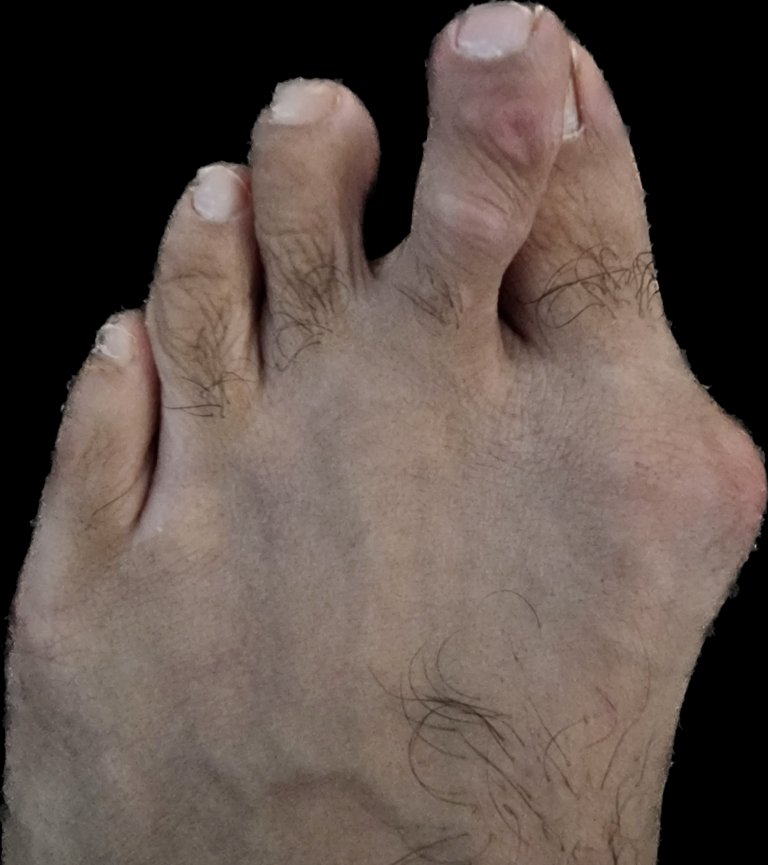
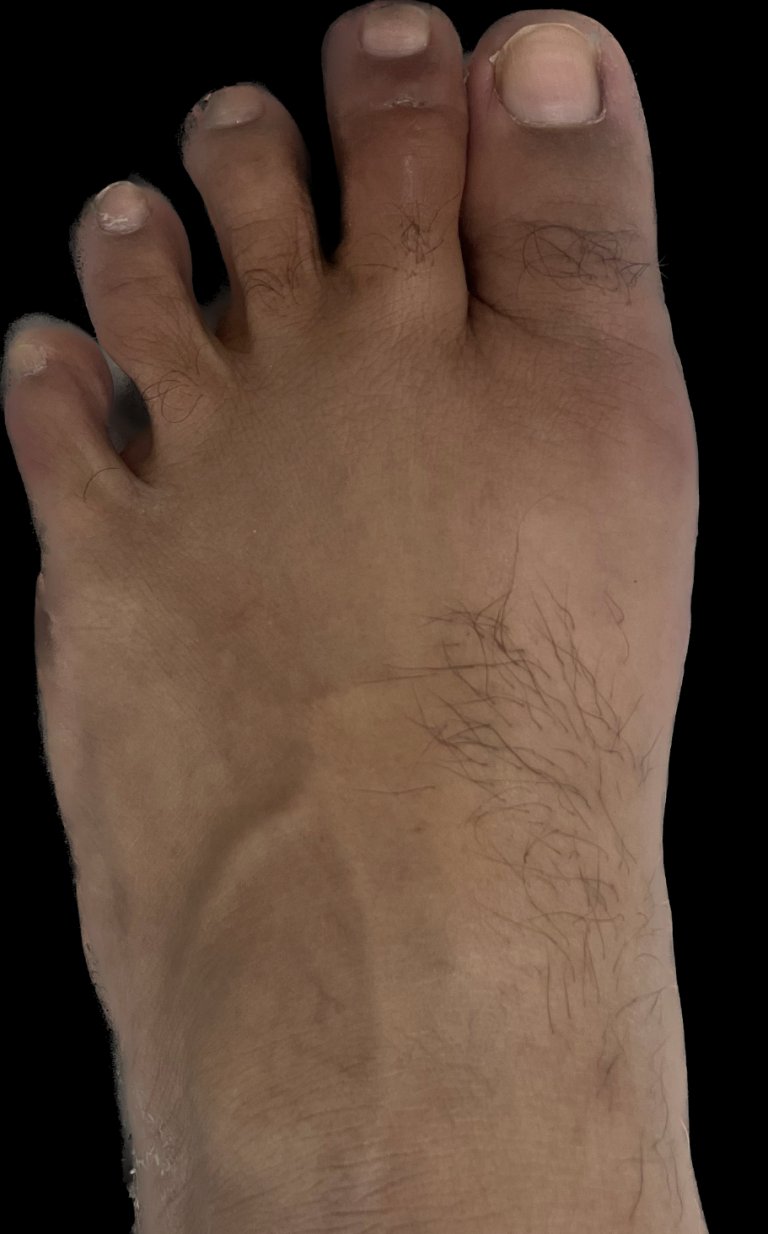
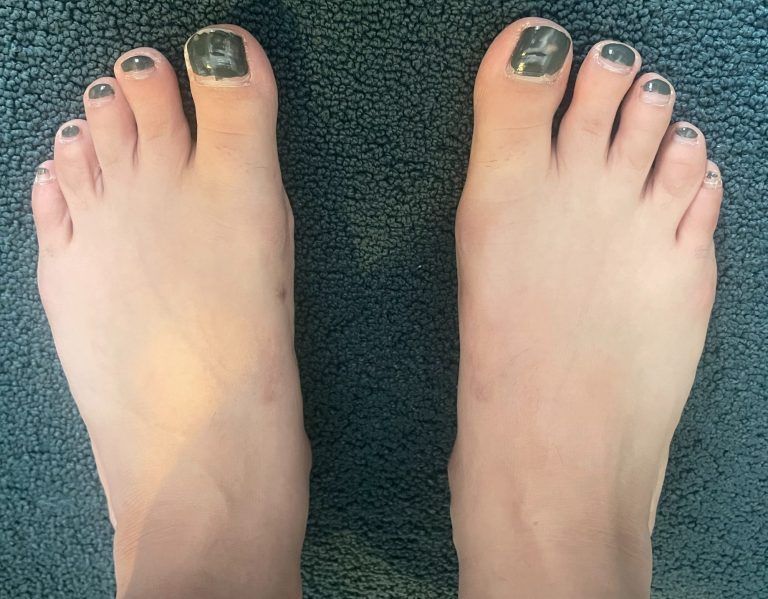
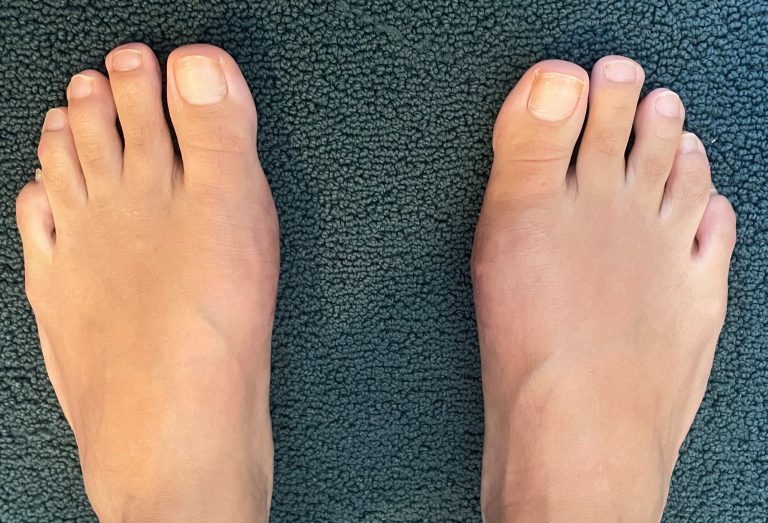
This well known deformity is more than just a bump on the medial side of the foot. The bunion itself is just an overgrowth of new bone and soft tissue. The actual prominence arises from the metatarsal head drifting inwards.
Causes
There is no exact set of causes, although likely causes include hereditary factors, trauma or injuries, arthritis (particularly rheumatoid), and footwear.
Non-Surgical Treatment
Appropriate footwear is key — soft lace-up shoes or trainers. Avoid heels greater than an inch. Silicone spacers or bunion cushions may help.
Surgery
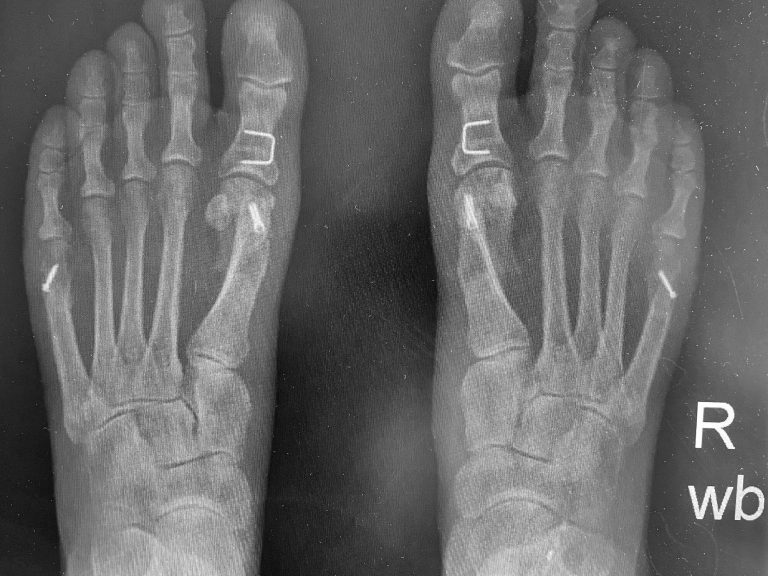
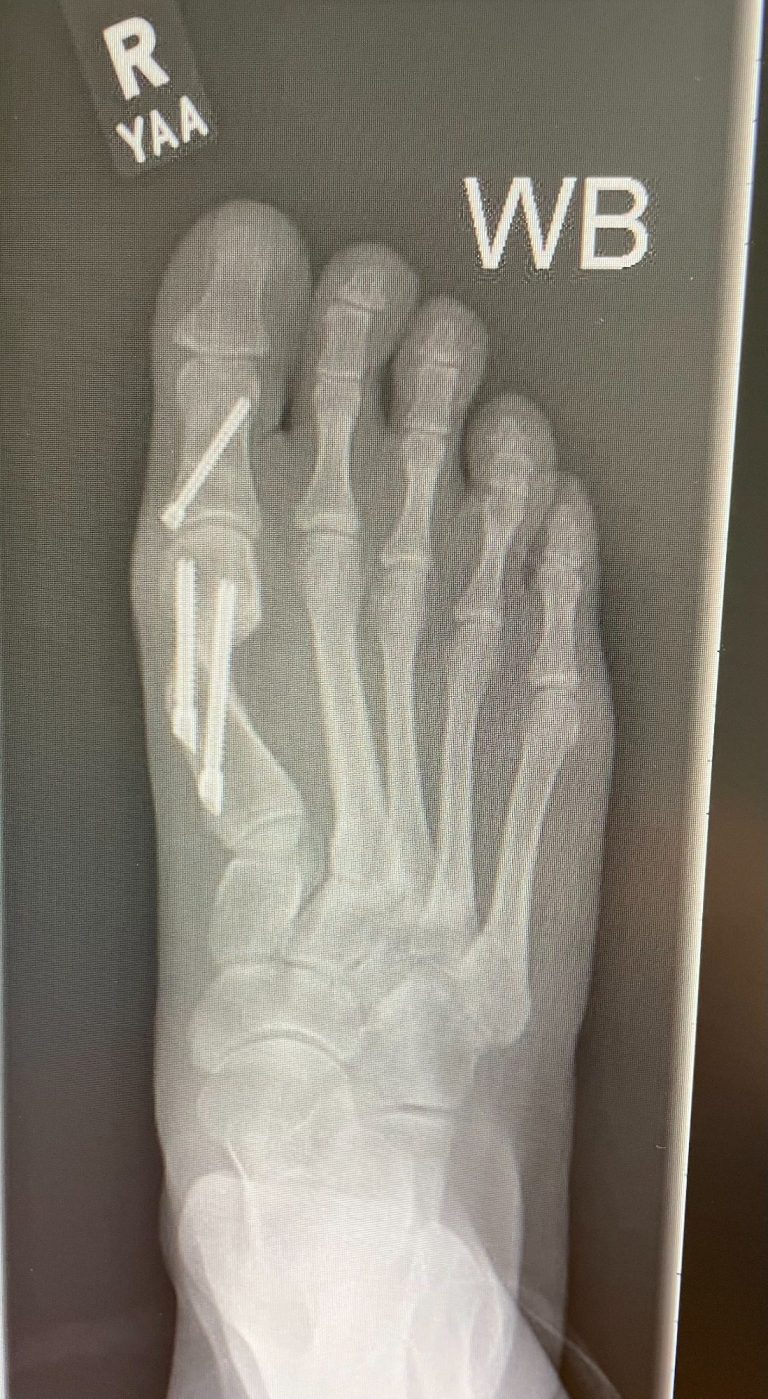
Surgery is considered when the foot still hurts regularly despite conservative measures, or if problems are developing with the 2nd toe. Options include Minimally Invasive (Keyhole) Surgery, Scarf and Akin Osteotomy, and Lapidus Procedure for more severe bunions.
Clinical Images
Frequently Asked Questions
To discuss your condition with Mr Hester, please get in touch to arrange a consultation.لمناقشة حالتك مع السيد هيستر، يرجى التواصل معنا لترتيب استشارة.
Book a Consultation