After bunion surgery
Rehab After Bunion Surgery: Big Toe Movement and Recovery
After bunion surgery, the bones heal in about 6 weeks, but getting the big toe moving well again is what makes the difference to walking comfortably. This page sets out Mr Hester's recovery pathway and the massage and movement exercises for the big toe joint, from the dressing coming down at 2 weeks through to impact exercise at 12 weeks.
At a glance
- How long will I be in the surgical shoe?
- A minimum of 4 weeks and a maximum of 6. From 4 weeks you can usually move into a wide-fitting trainer.
- When do the exercises start?
- When the dressing comes down at 2 weeks. Massage starts once the wound has healed.
- Why is massage and movement so important?
- The big toe joint stiffens easily after surgery. Deep massage and passive then active movement keep it moving so that you can push off through the big toe when walking.
- When can I run?
- Impact exercise and running from about 12 weeks.
Key points
- 0–2 weeks: bulky dressing, elevation, walking in the surgical shoe for 5–10 minutes in every hour.
- 2 weeks: the dressing comes down; scar care, deep tissue massage and big toe movement begin.
- Both passive (moved by your hand) and active (moved by the toe muscles) movement of the big toe joint matter.
- After surgery, many people keep weight off the big toe when walking. Physiotherapy and gait training improve how much load the big toe takes.[1][2]
Your recovery map
| Phase | Typical timing | Focus |
|---|---|---|
| 1. Rest and elevate | Weeks 0–2 | Bulky dressing, surgical shoe, elevation |
| 2. Dressing down: massage and movement | Weeks 2–6 | Scar and deep tissue massage, passive then active big toe movement, wide trainer from 4 weeks |
| 3. Strength and walking | Weeks 6–12 | Push-off through the big toe, heel raises, normal walking |
| Impact and running | From 12 weeks | Once the X-ray shows the bone has healed |
How much pain is OK?
- Stretching the toe will feel tight and a little uncomfortable. Keep pain at 3 out of 10 or less, settling within an hour.
- Some swelling of the foot is normal for 3–6 months.
Rest and elevate
Typical timing: weeks 0–2.
Goals
- Protect the correction and let the wound heal
- Control swelling
What to avoid
- Walking more than 5–10 minutes in every hour
- Getting the dressing wet
Elevation
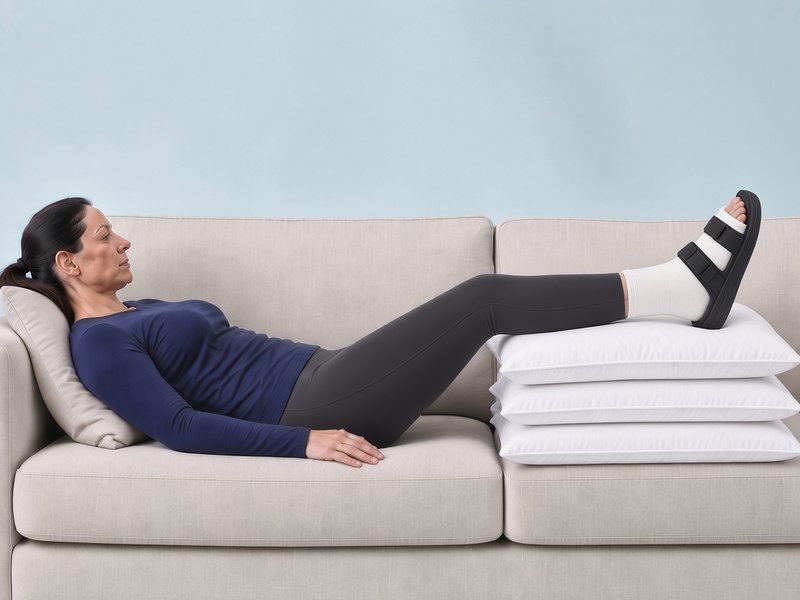
For the first 2 weeks keep the foot raised as much as possible, ideally with the toes above the level of your nose. Keep the bulky dressing on and dry.
Walking in the surgical shoe
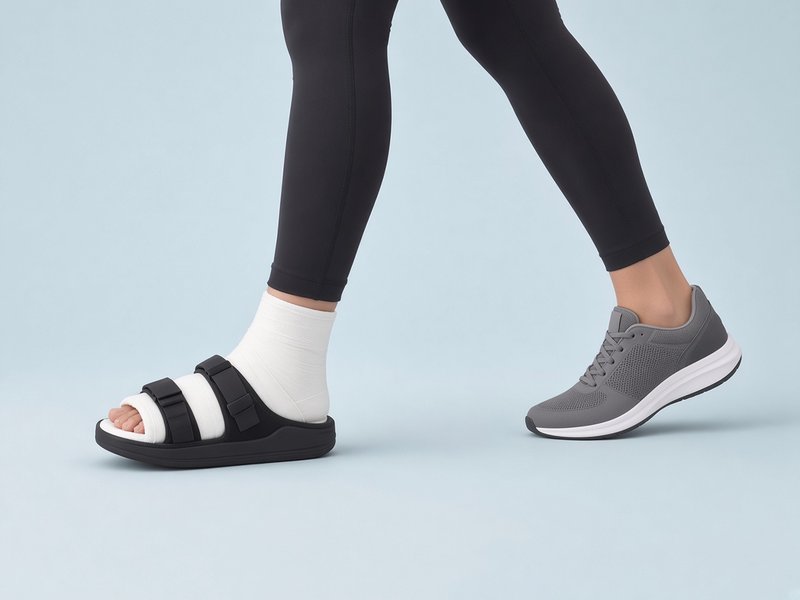
Walk in the surgical shoe, limited to 5–10 minutes in every hour for the first 14 days. Walk with the weight more on the heel at first.
Ready for the 2-week review?
- Your 2-week review is done and the dressing is down
Massage and movement
Typical timing: weeks 2–6.
Goals
- Soften the scar and the tissues around the joint
- Get the big toe moving up and down
- Move into a wide trainer from about 4 weeks
What to avoid
- Forcing the toe hard into a painful range
- Tight or narrow shoes
Scar massage and deep tissue massage
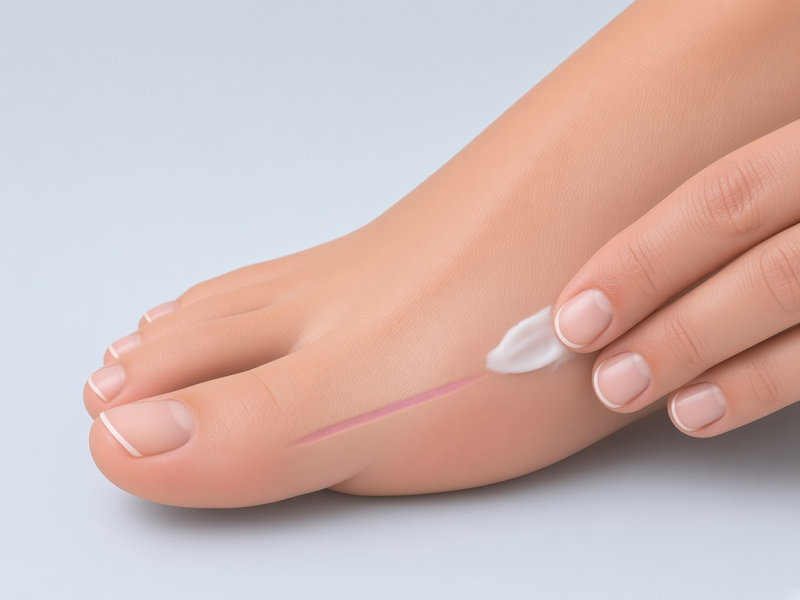
Once the wound has healed, massage Kelo-cote gel or a moisturising cream along the scar, then work more firmly around the whole big toe joint with your thumbs, for 5 minutes two or three times a day. Deep massage loosens the tissues around the joint and helps the toe bend. Stroke the skin with different textures if it is numb or oversensitive.
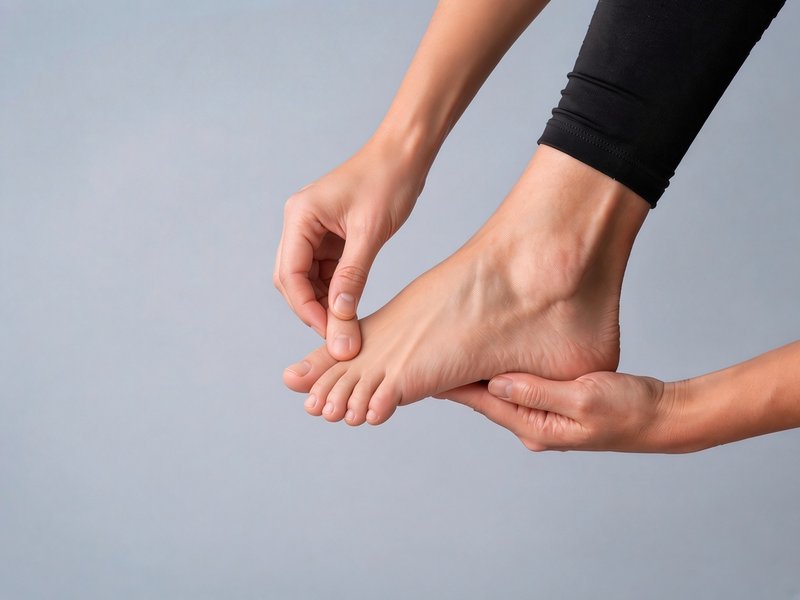
Passive big toe bend: up
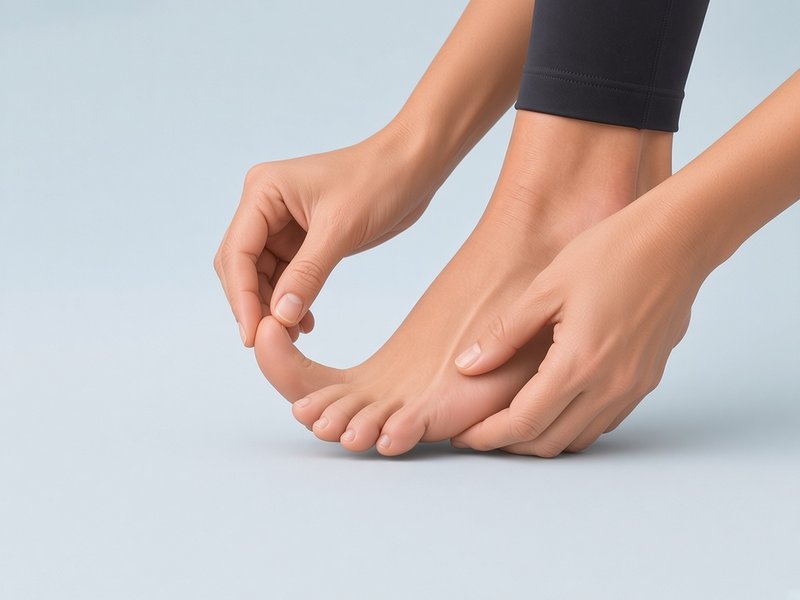
Sit with the foot across your other knee. Steady the foot with one hand and use the other to bend the big toe upwards slowly, as far as is comfortable. Hold for 10 seconds. Getting this movement back is essential for walking and pushing off.
Passive big toe bend: down
Then bend the big toe downwards slowly and hold for 10 seconds.
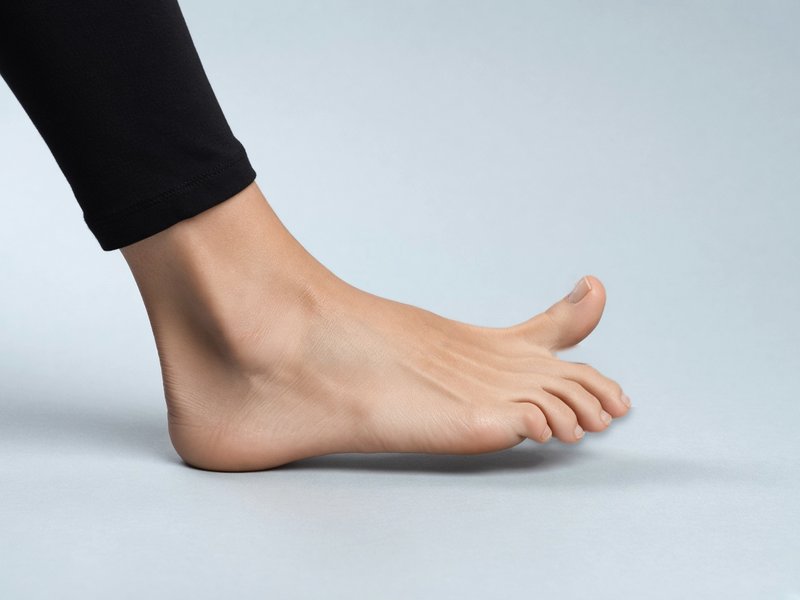
Active big toe lifts
With your foot flat on the floor, lift the big toe on its own while keeping the other toes down, then press it down while lifting the other toes. This brings back control of the toe.
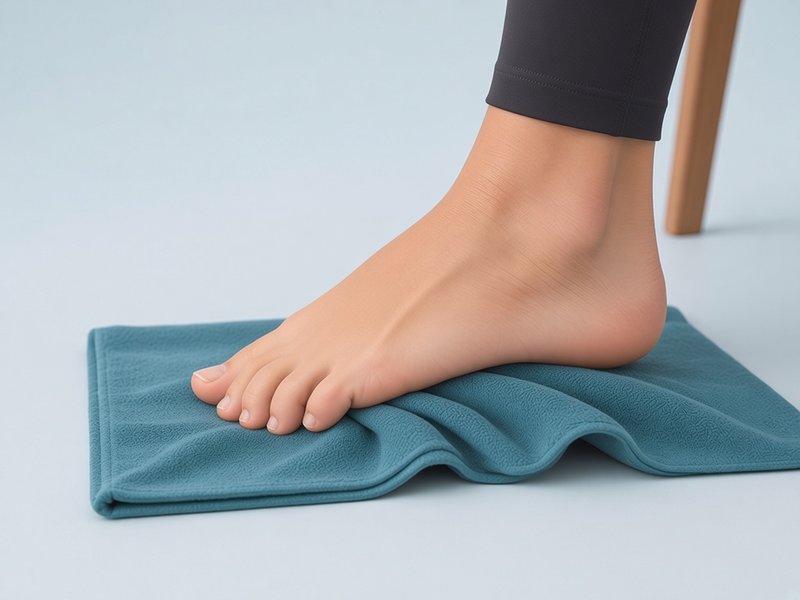
Toe curls
Curl your toes to draw a towel towards you, keeping the heel down. This strengthens the muscles under the big toe.
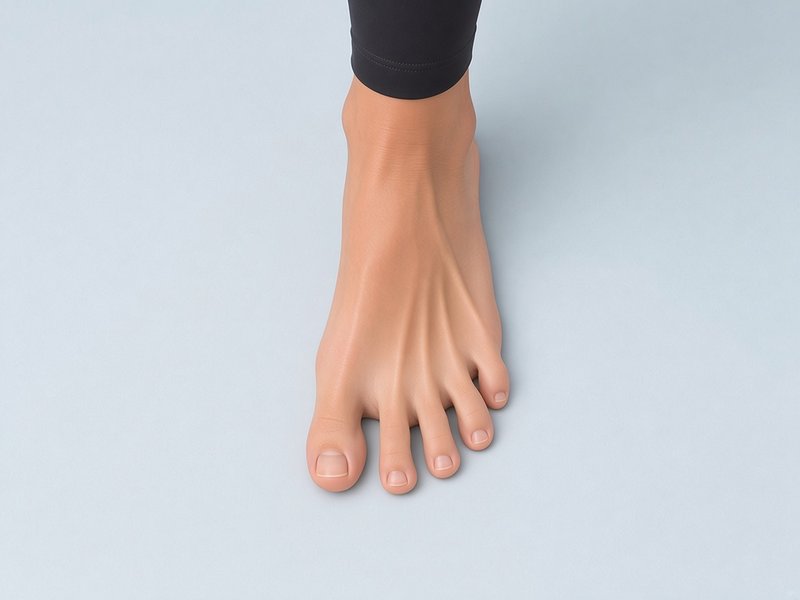
Toe spreading
Spread your toes as wide as you can, especially pushing the big toe away from the second toe. This works the muscle (abductor hallucis) that keeps the big toe straight.[3]
Sets, repetitions and frequency in these tables are typical guidance. Your physiotherapist may change them.
| Exercise | Sets × reps | How often | Progress by |
|---|---|---|---|
| Scar and deep tissue massage | 5 minutes | 2–3 times a day | Firmer pressure |
| Passive big toe bends, up and down | 10 × 10-second holds each | 3 times a day | Further range |
| Active big toe lifts | 2 × 10 | Daily | — |
| Toe curls and toe spreading | 2 × 10 each | Daily | — |
Ready to move on to Phase 3?
- The scar is soft and the toe bends up comfortably
- You are walking in a wide trainer
Strength and walking
Typical timing: weeks 6–12.
Goals
- Walk normally, pushing off through the big toe
- Build calf and foot strength
What to avoid
- Running and jumping before about 12 weeks
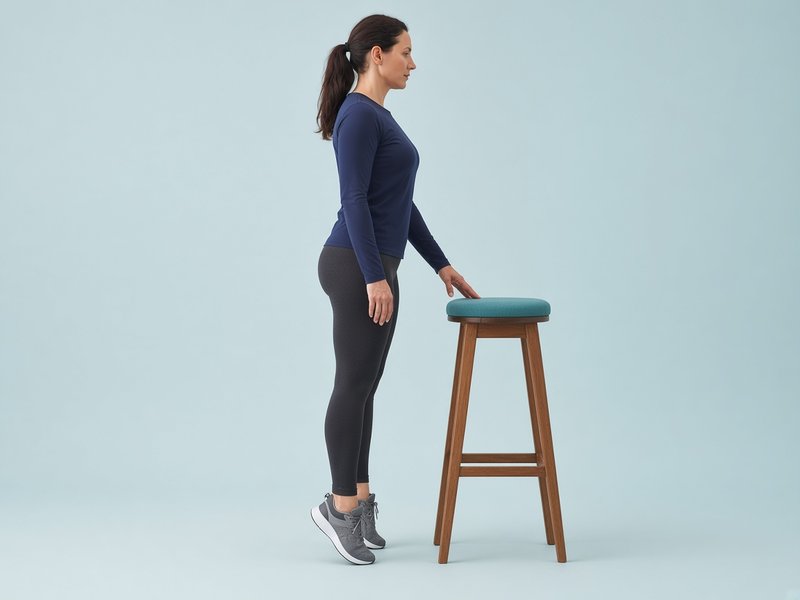
Heel raises over the big toe
From about 6 weeks, rise onto the balls of both feet with your weight over the big toe and second toe, then lower slowly. This retrains pushing off through the big toe.
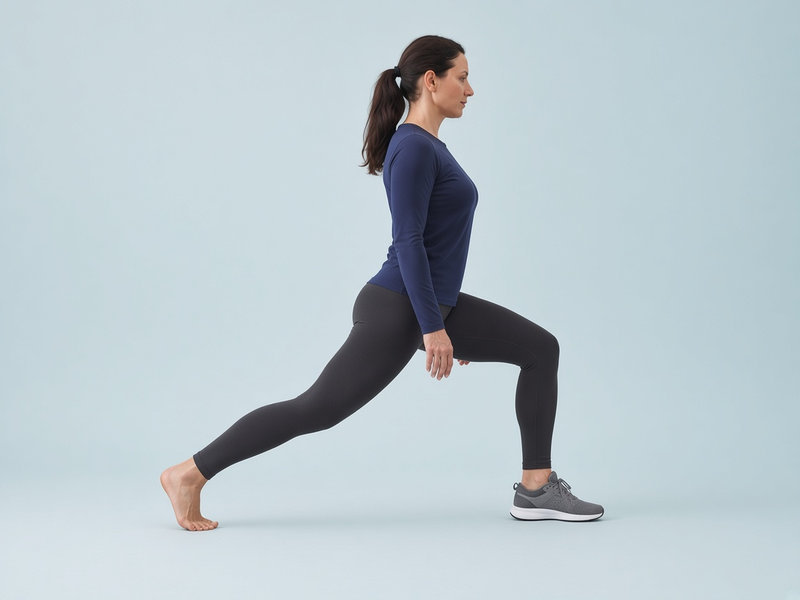
Lunge with the back toe bent
Step into a lunge with the operated foot behind, so the back heel lifts and the big toe bends upwards on the floor. Hold for 20 seconds. This stretches the toe in the position you need for walking.
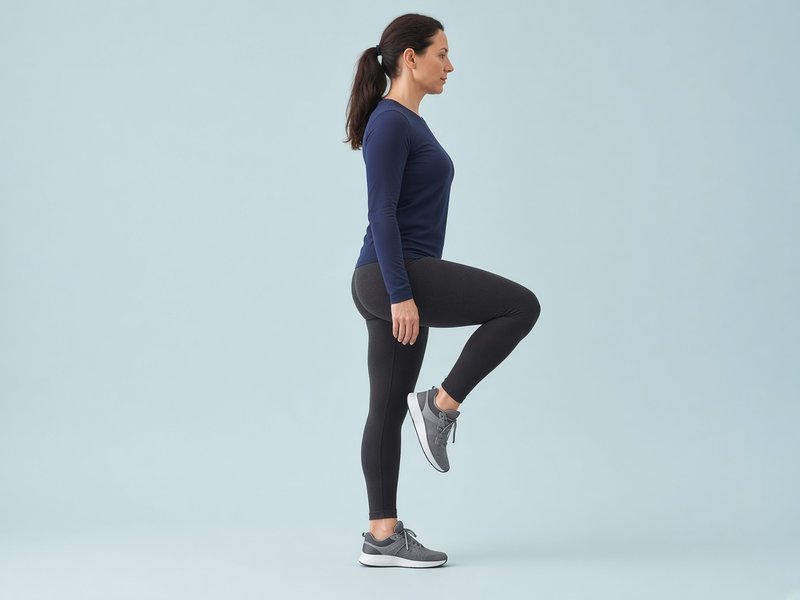
Single-leg balance
Stand on the operated foot for 30 seconds, keeping weight through the big toe.
Sets, repetitions and frequency in these tables are typical guidance. Your physiotherapist may change them.
| Exercise | Sets × reps | How often | Progress by |
|---|---|---|---|
| Heel raises over the big toe | 3 × 15 | Daily | Single leg |
| Lunge with the back toe bent | 5 × 20 seconds | Daily | Deeper lunge |
| Single-leg balance | 3 × 30 seconds | Daily | Eyes closed |
| Bike, cross-trainer, swimming | 20–30 minutes | From 4 weeks | Longer and harder |
What to expect: swelling and realistic goals
Swelling
- The forefoot stays swollen for 3 to 6 months, sometimes a year or more, and is worse at the end of the day.
- Wide, soft shoes and elevating the foot in the evenings help. Narrow or fashion shoes may not be comfortable until about 6 months.
Realistic goals
- 2 weeks: dressing down, scar care and toe exercises started
- 4–6 weeks: into a wide trainer
- 6 weeks: X-ray, walking without the surgical shoe
- 12 weeks: running and impact
- 6 months: most shoes and activities
- 12 months: the toe is still loosening and swelling still settling
- 12–18 months: your new baseline. Most of these operations take 12 to 18 months before the foot or ankle settles to how it will be long term, so do not judge the result too early.
When to get help
Call 999 or go to A&E straight away if
- you develop chest pain or breathlessness, or cough up blood (possible blood clot in the lung)
Contact us the same day if
- the wound becomes red, hot, more painful or leaks fluid, or you have a fever
- your calf becomes painful, swollen, warm or red
- the toe becomes white, blue or cold
Frequently Asked Questions
References
- Schuh R, Hofstaetter SG, Adams SB, Pichler F, Kristen KH, Trnka HJ. Rehabilitation after hallux valgus surgery: importance of physical therapy to restore weight bearing of the first ray during the stance phase. Phys Ther. 2009;89(9):934–945. doi:10.2522/ptj.20080375
- Schuh R, Adams S, Hofstaetter SG, Krismer M, Trnka HJ. Plantar loading after chevron osteotomy combined with postoperative physical therapy. Foot Ankle Int. 2010;31(11):980–986.
- Glasoe WM. Treatment of progressive first metatarsophalangeal hallux valgus deformity: a biomechanically based muscle-strengthening approach. J Orthop Sports Phys Ther. 2016;46(7):596–605. doi:10.2519/jospt.2016.6704
Kit I recommendالعدّة التي أوصي بها
Items patients often find useful during rehab. These are general suggestions, not medical advice; follow the advice of Mr Hester or your physiotherapist.
Get the starter kit in one click
Adds 8 items to your Amazon basket: Kelo-cote scar gel, Toe tape (1.25 cm), Anchor tape (2.5 cm), Silicone big toe spacers, Bunion gel sleeve, Leg elevation pillow, Foot and ankle ice pack, Waterproof cover. You can remove anything you do not need before you check out.
Add the starter kit to my Amazon basket →- Kelo-cote scar gel — For the scar once the wound has healed
- Toe tape (1.25 cm) — For taping the big toe straight once the dressing is down
- Anchor tape (2.5 cm) — To anchor the toe tape around the forefoot
- Silicone big toe spacers — To hold the big toe straight between the first and second toes
- Bunion gel sleeve — Soft protection in shoes later in recovery
- Leg elevation pillow — For keeping the foot raised
- Foot and ankle ice pack — For swelling in the first weeks
- Waterproof cover — Keeps the dressing dry in the shower
See all recommended equipment on Equipment & Devices.
To discuss your symptoms with Mr Hester, please get in touch to arrange a consultation. Appointments are available privately in central London and in the NHS at King's College Hospital.
Book a ConsultationCall 020 7046 8004. Private clinics at Devonshire Place, Cromwell Road, London Bridge and King Edward VII's Hospital.
This page provides general information and is not a substitute for personal medical advice. If you have diabetes, reduced sensation or circulation problems in your feet, or sudden severe pain, swelling or redness, please seek medical advice promptly.
بعد جراحة الوكعة
التأهيل بعد جراحة الوكعة: حركة إصبع القدم الكبير والتعافي
بعد جراحة الوكعة، تلتئم العظام في نحو 6 أسابيع، لكن استعادة الحركة الجيدة لإصبع القدم الكبير هي ما يصنع الفرق في المشي براحة. تعرض هذه الصفحة مسار التعافي لدى السيد هيستر وتمارين التدليك والحركة لمفصل إصبع القدم الكبير، من إزالة الضماد في الأسبوع 2 حتى التمارين ذات الارتطام في الأسبوع 12.
نظرة سريعة
- كم سأبقى في الحذاء الجراحي؟
- 4 أسابيع على الأقل و6 أسابيع على الأكثر. من الأسبوع 4 يمكنك عادةً الانتقال إلى حذاء رياضي واسع.
- متى تبدأ التمارين؟
- عند إزالة الضماد في الأسبوع 2. ويبدأ التدليك بعد التئام الجرح.
- لماذا يُعد التدليك والحركة بهذه الأهمية؟
- يتيبس مفصل إصبع القدم الكبير بسهولة بعد الجراحة. التدليك العميق والحركة السلبية ثم النشطة يحافظان على حركته حتى تستطيع الدفع بإصبع القدم الكبير أثناء المشي.
- متى يمكنني الجري؟
- التمارين ذات الارتطام والجري من نحو الأسبوع 12.
النقاط الرئيسية
- الأسابيع 0–2: ضماد سميك، رفع القدم، المشي بالحذاء الجراحي 5–10 دقائق من كل ساعة.
- الأسبوع 2: يُزال الضماد؛ وتبدأ العناية بالندبة والتدليك العميق للأنسجة وحركة إصبع القدم الكبير.
- الحركة السلبية (التحريك بيدك) والحركة النشطة (التحريك بعضلات الإصبع) لمفصل إصبع القدم الكبير كلتاهما مهمتان.
- بعد الجراحة، يتجنب كثير من المرضى تحميل الوزن على إصبع القدم الكبير أثناء المشي. يحسّن العلاج الطبيعي والتدريب على المشي مقدار الحِمل الذي يتحمله إصبع القدم الكبير.[1][2]
خريطة تعافيك
| المرحلة | التوقيت المعتاد | التركيز |
|---|---|---|
| 1. الراحة ورفع القدم | الأسابيع 0–2 | ضماد سميك، حذاء جراحي، رفع القدم |
| 2. إزالة الضماد: التدليك والحركة | الأسابيع 2–6 | تدليك الندبة والأنسجة العميقة، حركة سلبية ثم نشطة لإصبع القدم الكبير، حذاء رياضي واسع من الأسبوع 4 |
| 3. القوة والمشي | الأسابيع 6–12 | الدفع بإصبع القدم الكبير، رفع الكعب، المشي الطبيعي |
| الارتطام والجري | من الأسبوع 12 | بعد أن تُظهر صورة الأشعة التئام العظم |
ما مقدار الألم المقبول؟
- ستشعر بشدّ وبعض الانزعاج عند إطالة الإصبع. أبقِ الألم عند 3 من 10 أو أقل، على أن يهدأ خلال ساعة.
- بعض تورم القدم أمر طبيعي لمدة 3–6 أشهر.
الراحة ورفع الساق
التوقيت المعتاد: الأسابيع 0–2.
الأهداف
- حماية التصحيح والسماح للجرح بالالتئام
- السيطرة على التورم
ما يجب تجنبه
- المشي أكثر من 5–10 دقائق من كل ساعة
- تعريض الضماد للماء
رفع الساق
في الأسبوعين الأولين أبقِ القدم مرفوعة قدر الإمكان، ويُفضَّل أن تكون أصابع القدم أعلى من مستوى أنفك. أبقِ الضماد السميك في مكانه وجافًا.
المشي بالحذاء الجراحي
امشِ بالحذاء الجراحي، على ألا يتجاوز ذلك 5–10 دقائق من كل ساعة خلال الأيام 14 الأولى. امشِ في البداية مع وضع الوزن أكثر على الكعب.
هل أنت مستعد لمراجعة الأسبوع 2؟
- تمت مراجعة الأسبوع 2 وأُزيل الضماد
التدليك والحركة
التوقيت المعتاد: الأسابيع 2–6.
الأهداف
- تليين الندبة والأنسجة حول المفصل
- تحريك إصبع القدم الكبير إلى الأعلى والأسفل
- الانتقال إلى حذاء رياضي واسع من نحو الأسبوع 4
ما يجب تجنبه
- إجبار الإصبع بقوة على مدى مؤلم
- الأحذية الضيقة أو المحكمة
تدليك الندبة والتدليك العميق للأنسجة
بعد التئام الجرح، دلّك الندبة بجل Kelo-cote أو كريم مرطب، ثم اعمل بقوة أكبر حول مفصل إصبع القدم الكبير كاملًا بإبهاميك، لمدة 5 دقائق مرتين أو ثلاثًا يوميًا. التدليك العميق يرخي الأنسجة حول المفصل ويساعد الإصبع على الانثناء. امسح الجلد بملامس مختلفة إذا كان مخدرًا أو مفرط الحساسية.
ثني إصبع القدم الكبير سلبيًا: إلى الأعلى
اجلس والقدم فوق ركبتك الأخرى. ثبّت القدم بيد واستخدم الأخرى لثني إصبع القدم الكبير إلى الأعلى ببطء، بقدر ما تشعر بالراحة. اثبت 10 ثوانٍ. استعادة هذه الحركة ضرورية للمشي والدفع بالقدم.
ثني إصبع القدم الكبير سلبيًا: إلى الأسفل
ثم اثنِ إصبع القدم الكبير إلى الأسفل ببطء واثبت 10 ثوانٍ.
رفع إصبع القدم الكبير نشطًا
والقدم مسطحة على الأرض، ارفع إصبع القدم الكبير وحده مع إبقاء الأصابع الأخرى على الأرض، ثم اضغطه إلى الأسفل مع رفع الأصابع الأخرى. هذا يعيد التحكم في الإصبع.
ثني أصابع القدم
اثنِ أصابع قدمك لسحب منشفة نحوك، مع إبقاء الكعب على الأرض. هذا يقوي العضلات تحت إصبع القدم الكبير.
فرد أصابع القدم
افرد أصابع قدمك إلى أقصى ما تستطيع، خاصةً بدفع إصبع القدم الكبير بعيدًا عن الإصبع الثاني. هذا يشغّل العضلة (المبعِّدة لإبهام القدم) التي تحافظ على استقامة إصبع القدم الكبير.[3]
عدد المجموعات والتكرارات ومرات التمرين في هذه الجداول إرشادات معتادة، وقد يغيّرها أخصائي العلاج الطبيعي.
| التمرين | المجموعات × التكرارات | عدد المرات | التدرج |
|---|---|---|---|
| تدليك الندبة والأنسجة العميقة | 5 دقائق | 2–3 مرات يوميًا | ضغط أقوى |
| ثني إصبع القدم الكبير سلبيًا، إلى الأعلى والأسفل | 10 × ثبات 10 ثوانٍ لكل اتجاه | 3 مرات يوميًا | مدى أبعد |
| رفع إصبع القدم الكبير نشطًا | 2 × 10 | يوميًا | — |
| ثني أصابع القدم وفردها | 2 × 10 لكل تمرين | يوميًا | — |
هل أنت مستعد للانتقال إلى المرحلة 3؟
- الندبة لينة والإصبع ينثني إلى الأعلى براحة
- تمشي بحذاء رياضي واسع
القوة والمشي
التوقيت المعتاد: الأسابيع 6–12.
الأهداف
- المشي بشكل طبيعي مع الدفع بإصبع القدم الكبير
- بناء قوة الساق والقدم
ما يجب تجنبه
- الجري والقفز قبل نحو الأسبوع 12
رفع الكعب مع الوزن على إصبع القدم الكبير
من نحو الأسبوع 6، ارتفع على مقدمة القدمين مع وضع وزنك على إصبع القدم الكبير والإصبع الثاني، ثم انزل ببطء. هذا يعيد تدريب الدفع بإصبع القدم الكبير.
الطعنة مع ثني إصبع القدم الخلفية
تقدّم بخطوة طعنة والقدم التي أُجريت لها العملية في الخلف، بحيث يرتفع الكعب الخلفي وينثني إصبع القدم الكبير إلى الأعلى على الأرض. اثبت 20 ثانية. هذا يطيل الإصبع في الوضع الذي تحتاجه للمشي.
التوازن على ساق واحدة
قف على القدم التي أُجريت لها العملية لمدة 30 ثانية، مع إبقاء الوزن على إصبع القدم الكبير.
عدد المجموعات والتكرارات ومرات التمرين في هذه الجداول إرشادات معتادة، وقد يغيّرها أخصائي العلاج الطبيعي.
| التمرين | المجموعات × التكرارات | عدد المرات | التدرج |
|---|---|---|---|
| رفع الكعب مع الوزن على إصبع القدم الكبير | 3 × 15 | يوميًا | ساق واحدة |
| الطعنة مع ثني إصبع القدم الخلفية | 5 × 20 ثانية | يوميًا | طعنة أعمق |
| التوازن على ساق واحدة | 3 × 30 ثانية | يوميًا | إغلاق العينين |
| الدراجة، جهاز الإليبتيكال، السباحة | 20–30 دقيقة | من الأسبوع 4 | مدة أطول وجهد أكبر |
ما الذي تتوقعه: التورم والأهداف الواقعية
التورم
- تبقى مقدمة القدم متورمة من 3 إلى 6 أشهر، وأحيانًا سنة أو أكثر، ويزداد التورم في نهاية اليوم.
- الأحذية الواسعة اللينة ورفع القدم في المساء يساعدان. قد لا تكون الأحذية الضيقة أو أحذية الموضة مريحة حتى نحو 6 أشهر.
أهداف واقعية
- الأسبوع 2: إزالة الضماد، وبدء العناية بالندبة وتمارين الإصبع
- الأسابيع 4–6: الانتقال إلى حذاء رياضي واسع
- الأسبوع 6: صورة أشعة، المشي دون الحذاء الجراحي
- الأسبوع 12: الجري والتمارين ذات الارتطام
- 6 أشهر: معظم الأحذية والأنشطة
- 12 شهرًا: لا يزال الإصبع يزداد مرونة ولا يزال التورم يهدأ
- 12–18 شهرًا: وضعك الأساسي الجديد. تستغرق معظم هذه العمليات من 12 إلى 18 شهرًا قبل أن تستقر القدم أو الكاحل على حالتها على المدى الطويل، لذا لا تحكم على النتيجة مبكرًا.
متى تطلب المساعدة
اتصل على 999 أو توجه إلى قسم الطوارئ فورًا إذا
- شعرت بألم في الصدر أو ضيق في التنفس، أو سعلت دمًا (احتمال جلطة دموية في الرئة)
تواصل معنا في اليوم نفسه إذا
- أصبح الجرح أحمر أو ساخنًا أو أكثر ألمًا أو ظهرت منه إفرازات، أو أصبت بحمى
- أصبحت ربلة ساقك مؤلمة أو متورمة أو دافئة أو حمراء
- أصبح الإصبع أبيض أو أزرق أو باردًا
الأسئلة الشائعة
المراجع
- Schuh R, Hofstaetter SG, Adams SB, Pichler F, Kristen KH, Trnka HJ. Rehabilitation after hallux valgus surgery: importance of physical therapy to restore weight bearing of the first ray during the stance phase. Phys Ther. 2009;89(9):934–945. doi:10.2522/ptj.20080375
- Schuh R, Adams S, Hofstaetter SG, Krismer M, Trnka HJ. Plantar loading after chevron osteotomy combined with postoperative physical therapy. Foot Ankle Int. 2010;31(11):980–986.
- Glasoe WM. Treatment of progressive first metatarsophalangeal hallux valgus deformity: a biomechanically based muscle-strengthening approach. J Orthop Sports Phys Ther. 2016;46(7):596–605. doi:10.2519/jospt.2016.6704
Kit I recommendالعدّة التي أوصي بها
أدوات يجدها المرضى مفيدة غالبًا أثناء التأهيل. هذه اقتراحات عامة وليست نصيحة طبية؛ اتبع نصيحة السيد هيستر أو أخصائي العلاج الطبيعي.
احصل على عدّة البداية بنقرة واحدة
يضيف 8 عناصر إلى سلة أمازون: جل الندبات Kelo-cote، وشريط الإصبع (1.25 سم)، وشريط التثبيت (2.5 سم)، وفواصل سيليكون لإصبع القدم الكبير، وغلاف جل للوكعة، ووسادة رفع الساق، وكمادة ثلج للقدم والكاحل، وغطاء مقاوم للماء. يمكنك إزالة أي شيء لا تحتاجه قبل الدفع.
أضف عدّة البداية إلى سلة أمازون ←- جل الندبات Kelo-cote — للندبة بعد التئام الجرح
- شريط الإصبع (1.25 سم) — لتثبيت إصبع القدم الكبير مستقيمًا بعد إزالة الضماد
- شريط التثبيت (2.5 سم) — لتثبيت شريط الإصبع حول مقدمة القدم
- فواصل سيليكون لإصبع القدم الكبير — لإبقاء إصبع القدم الكبير مستقيمًا بين الإصبعين الأول والثاني
- غلاف جل للوكعة — حماية ناعمة داخل الحذاء في المراحل اللاحقة من التعافي
- وسادة رفع الساق — لإبقاء القدم مرفوعة
- كمادة ثلج للقدم والكاحل — للتورم في الأسابيع الأولى
- غطاء مقاوم للماء — يحافظ على جفاف الضماد أثناء الاستحمام
اطلع على جميع المعدات الموصى بها في صفحة المعدات والأجهزة.
لمناقشة أعراضك مع السيد هيستر، يرجى التواصل معنا لترتيب استشارة. المواعيد متاحة في العيادات الخاصة بوسط لندن وضمن هيئة الخدمات الصحية الوطنية (NHS) في مستشفى كينجز كوليدج.
احجز استشارةاتصل على 020 7046 8004. عيادات خاصة في ديفونشاير بليس وكرومويل رود ولندن بريدج ومستشفى الملك إدوارد السابع.
تقدم هذه الصفحة معلومات عامة وليست بديلًا عن الاستشارة الطبية الشخصية. إذا كنت مصابًا بالسكري، أو تعاني ضعف الإحساس أو مشكلات في الدورة الدموية في قدميك، أو ألمًا شديدًا مفاجئًا أو تورمًا أو احمرارًا، فيرجى طلب المشورة الطبية دون تأخير.