Broken ankle
Ankle Fracture Rehab: From Cast to Running
Once a broken ankle has healed enough to come out of the cast or boot, the rehab is much the same as for a bad ankle sprain: getting the ankle moving, then strength, then balance, then running. This page sets out Mr Hester's pathway, from surgery or the first days in a boot, through to running at about 12 weeks. Full recovery after surgery can take up to 18 months.
At a glance
- How long will I be in a cast or boot?
- After surgery, a temporary cast for 2 weeks without weight on the leg, then usually a boot so that scar care and movement can start; sometimes a further cast until 6 weeks. At 6 weeks you move into a short surgical boot or a VACOped boot, depending on the operation. Stable fractures treated without surgery are usually in a boot, putting weight through it as comfort allows.
- What is the most important exercise?
- Getting the ankle to bend upwards again (knee-to-wall), then calf strength and single-leg balance.
- Do I need formal physiotherapy?
- Physiotherapy starts as soon as the leg is accessible, at 2 or 6 weeks. For uncomplicated fractures, a large Australian trial found that a supervised exercise programme was no better than advice and a home programme like this one.
- When can I run?
- Running and jumping usually from about 12 weeks.
Who this page is for
This page covers: broken ankles (fibula, medial malleolus, bimalleolar and trimalleolar fractures) treated with or without surgery, once your surgeon has said it is safe to start moving the ankle.
Your own plan may differ. Weight-bearing and boot times depend on the fracture and the fixation. Always follow the plan you are given at each review.
Key points
- After surgery: 2 weeks in a temporary cast without putting weight on the leg, with the leg elevated.
- From 2 weeks, if possible, a boot so that scar care, desensitisation and gentle movement can begin.
- Once out of the boot, rehab follows the same steps as a severe ankle sprain.
- Upward bend of the ankle (dorsiflexion) is often reduced after a fracture and is the commonest thing to hold people back; work on it daily.
- Starting to put weight through the leg early, and using a removable boot that allows gentle exercise, may improve recovery.[2]
- A supervised exercise programme after the cast or boot was no better than advice and home exercise in a large trial, so the home programme on this page matters.[1]
Your recovery map
| Phase | Typical timing | Focus |
|---|---|---|
| 1. Protect | Weeks 0–2 after surgery (or the first days for a stable fracture) | Cast or boot, elevation, crutches |
| 2. Boot, scar care and movement | Weeks 2–6 (up to 12 if a cast is needed until 6 weeks) | Boot, scar care, gentle ankle movement |
| 3. Strength and balance | From 6 weeks | Out of the boot, as for an ankle sprain: movement, strength, balance |
| 4. Running and sport | From about 12 weeks | Hops, running and sport drills |
How much pain is OK?
- Some stiffness and ache during exercise is normal. Keep pain at 3 out of 10 or less, settling by the next morning.
- Swelling at the end of the day is normal for several months.
Protect
Typical timing: weeks 0–2.
Goals
- Protect the fixation and let the wound heal
- Control swelling
What to avoid
- Putting weight on the leg after surgery unless told you can
- Getting the cast wet
Elevation
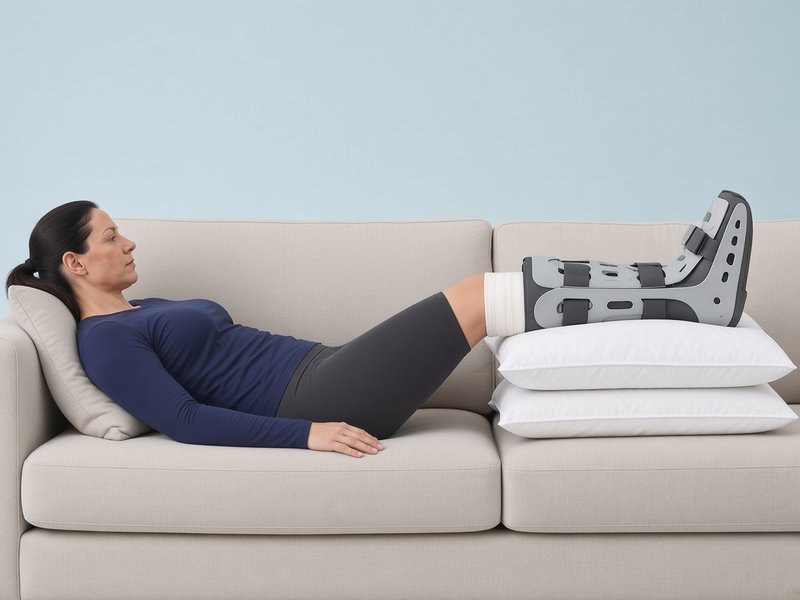
Keep the leg raised with the toes above the level of your nose, ideally for 55 minutes in every hour in the first 2 weeks. This controls swelling and protects the wound after surgery.
Getting about
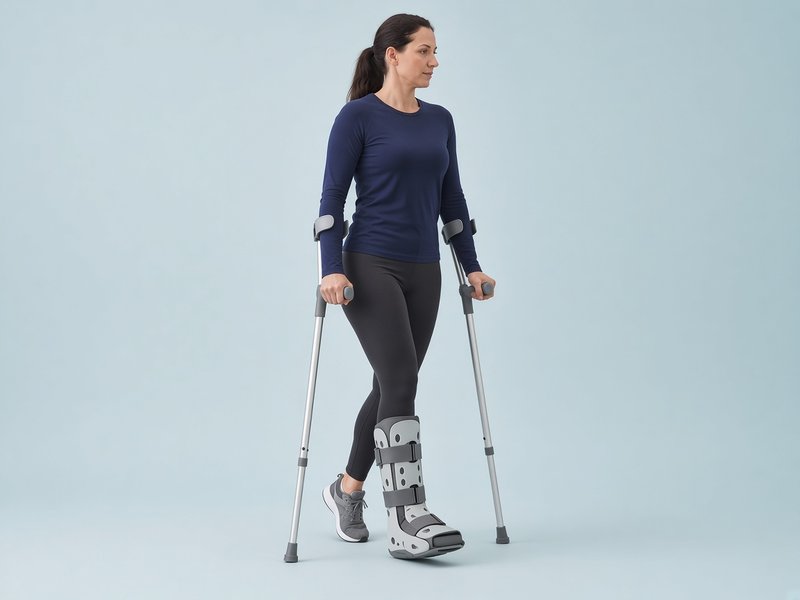
Use crutches, a knee scooter or a hands-free crutch. After surgery you are usually non-weight-bearing for the first 2 weeks. For a stable fracture treated in a boot, you can usually put weight through it as comfort allows from the start.
Straight-leg raises and core work
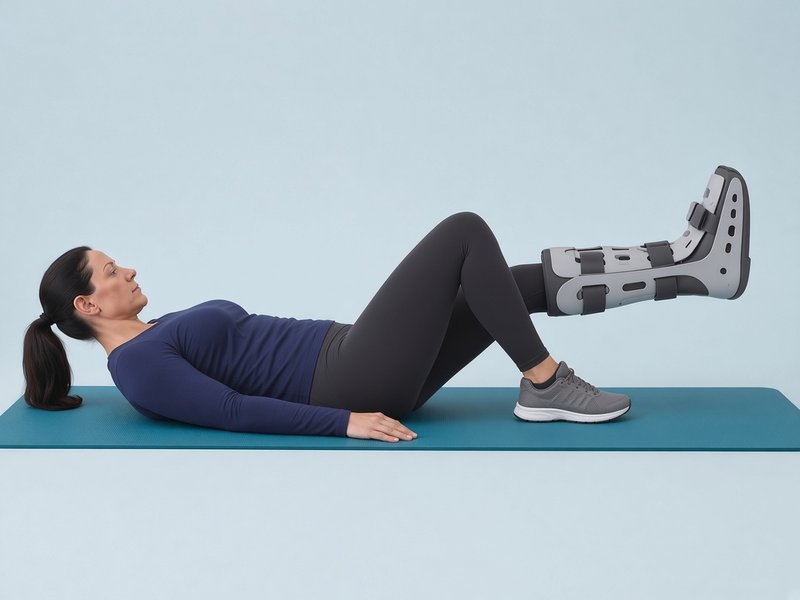
Keep the thigh, hip and core strong with straight-leg raises, bridges and upper-body exercise from as early as week 2, with nothing through the injured ankle.
Ready for the 2-week review?
- Your 2-week review is done and the wound has healed
Boot, scar care and movement
Typical timing: weeks 2–6.
Goals
- Look after the scar
- Get the ankle moving gently
- Stay fit with upper-body and core work
What to avoid
- Forcing painful movements
- Walking without the boot unless told you can
Scar care and desensitisation
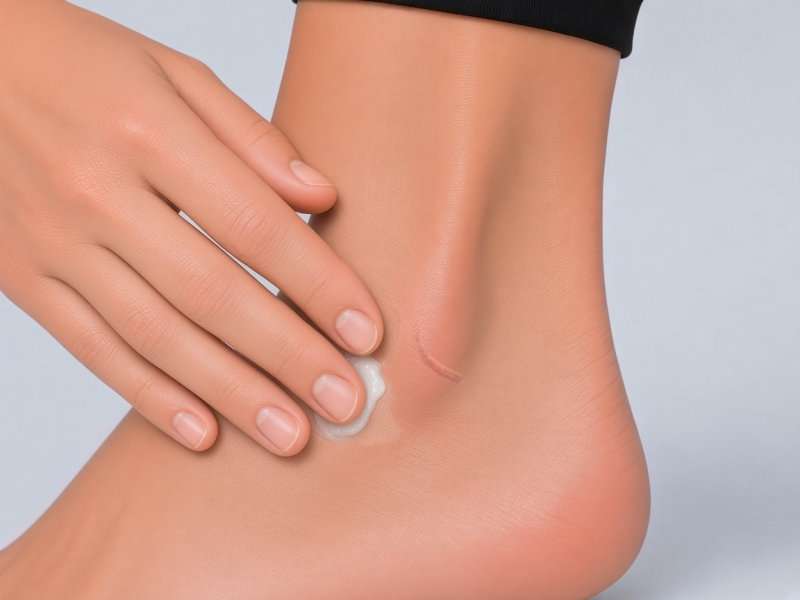
Once the wound has healed, usually from about 2 weeks, massage Kelo-cote gel, castor oil or a moisturising cream along the scar for 5 minutes, two or three times a day. Stroke the skin around it with different textures to settle any numbness or over-sensitivity.
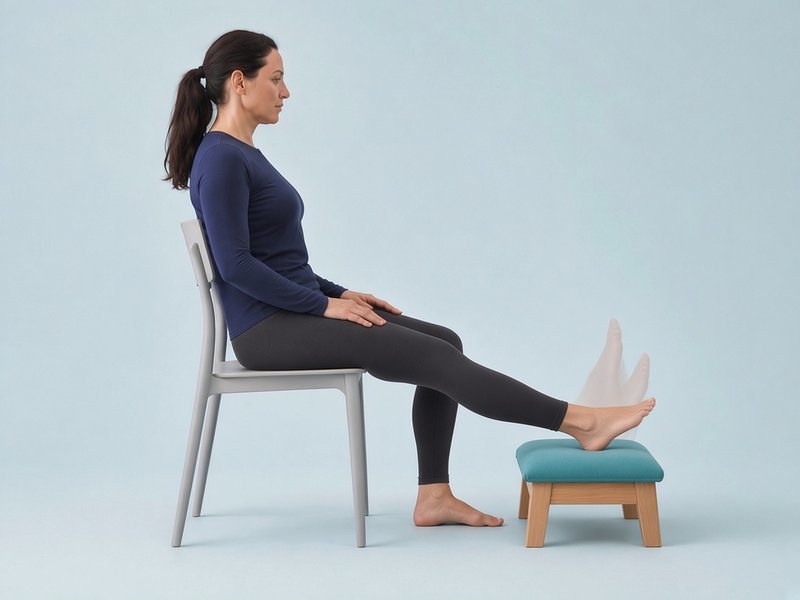
Ankle alphabet
Out of the boot, with your heel on a cushion, trace the letters A to Z in the air with your big toe. Start small and make the letters bigger as pain allows.
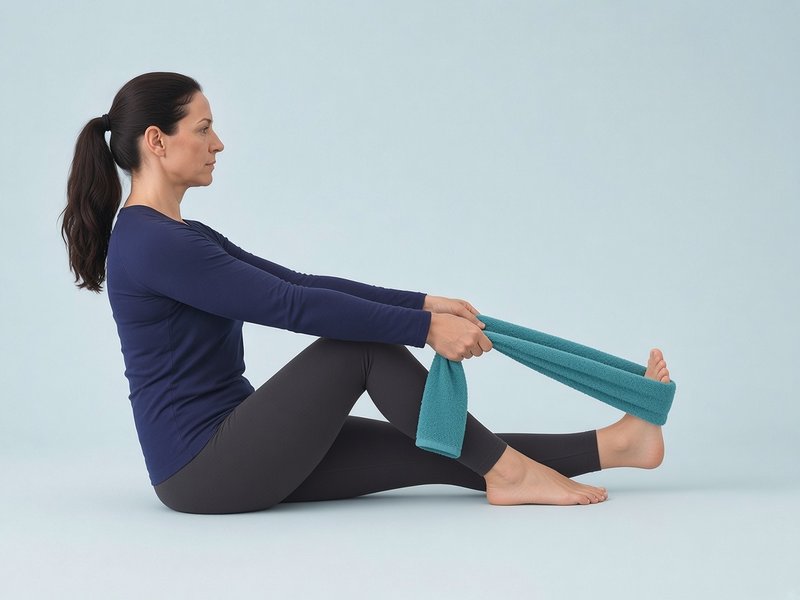
Towel calf stretch
Loop a towel around the ball of your foot and gently pull your foot towards you until you feel a stretch in the calf. Hold for 30 seconds.
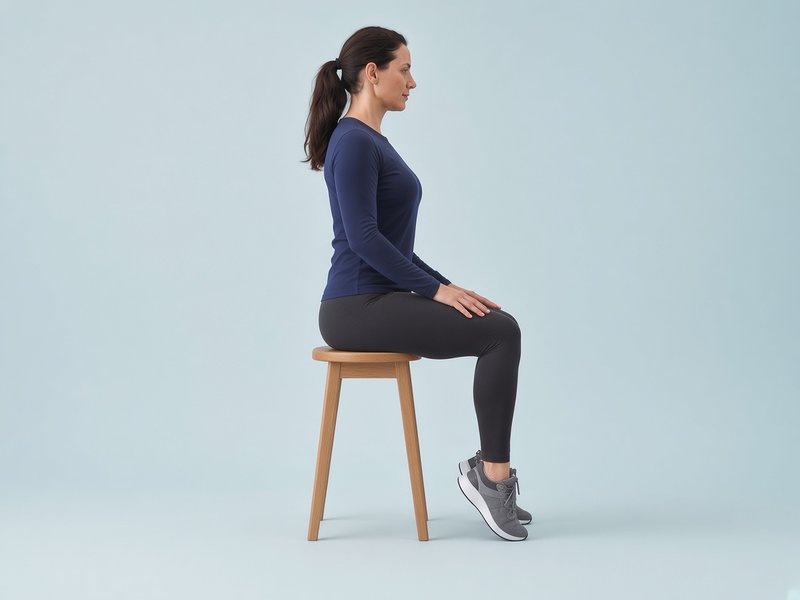
Seated heel and toe raises
Sit with both feet flat. Lift your heels, lower them, then lift your toes. This starts the calf working again after the boot.
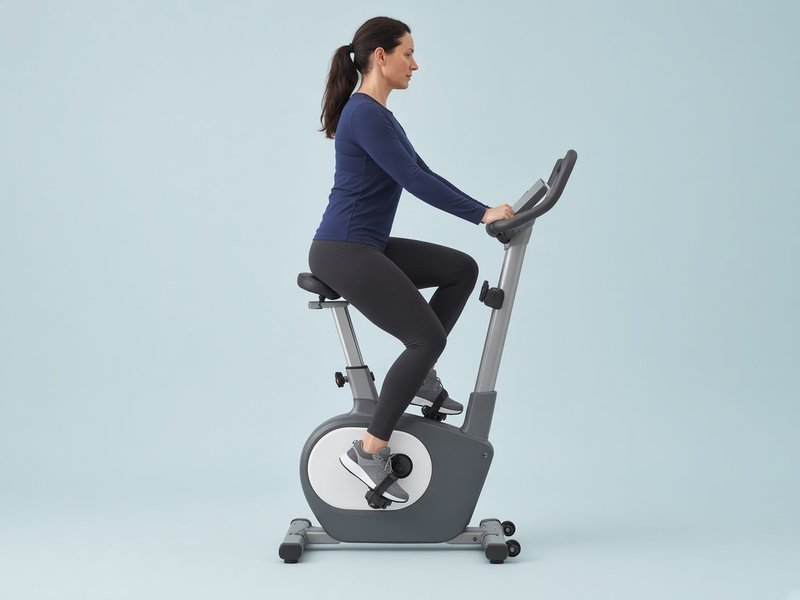
Bike, cross-trainer and swimming
From about 6 weeks, a static bike, cross-trainer and swimming (once the wound has healed) rebuild fitness and ankle movement.
Sets, repetitions and frequency in these tables are typical guidance. Your physiotherapist may change them.
| Exercise | Sets × reps | How often | Progress by |
|---|---|---|---|
| Scar massage and desensitisation | 5 minutes | 2–3 times a day | Continue for about 3 months |
| Ankle alphabet | 1–2 alphabets | 2–3 times a day | Bigger letters |
| Towel calf stretch | 3 × 30 seconds | 2–3 times a day | Standing calf stretch |
| Seated heel and toe raises | 3 × 15 | Daily | Standing heel raises |
| Bike, cross-trainer, swimming | 20–30 minutes | From 6 weeks, 3–5 times a week | Longer and harder |
Ready to move on to Phase 3?
- You are out of the boot at your 6-week review
- Swelling is settling
Strength and balance
Typical timing: from about 6 weeks.
Goals
- Regain full ankle movement
- Rebuild calf strength and balance
- Walk normally without a limp
What to avoid
- Running and jumping before about 12 weeks
- Uneven ground until your balance is good
Knee-to-wall
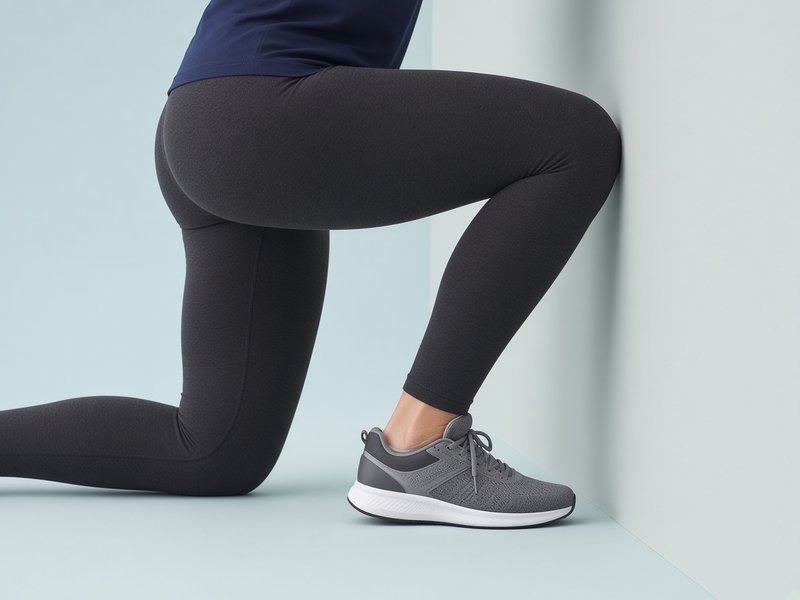
Stiffness bending the ankle upwards is the commonest problem after a fracture. Face a wall, keep your heel down and bend the knee to touch the wall, moving the foot back a little at a time. Compare the distance with your other foot every week and keep going daily until they match; this can take many months.
Heel raises
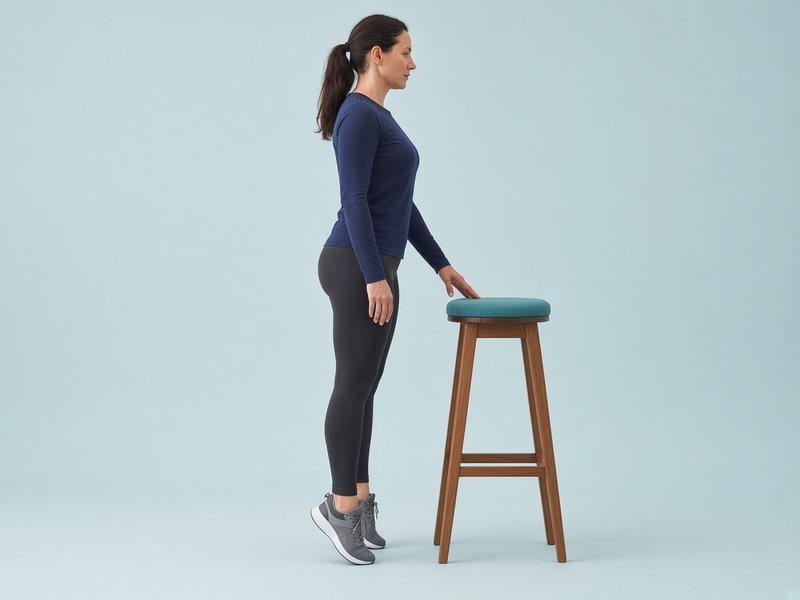
Rise onto the balls of both feet and lower slowly. Progress to the injured leg alone, aiming for 25 in a row.
Band exercises
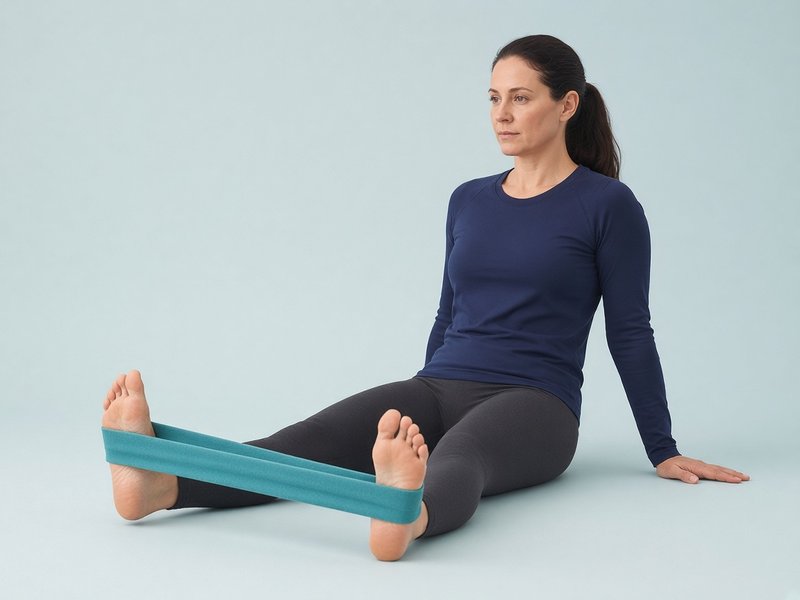
Turn the foot outwards, then inwards, against a light band to strengthen the muscles that control the ankle.
Single-leg balance
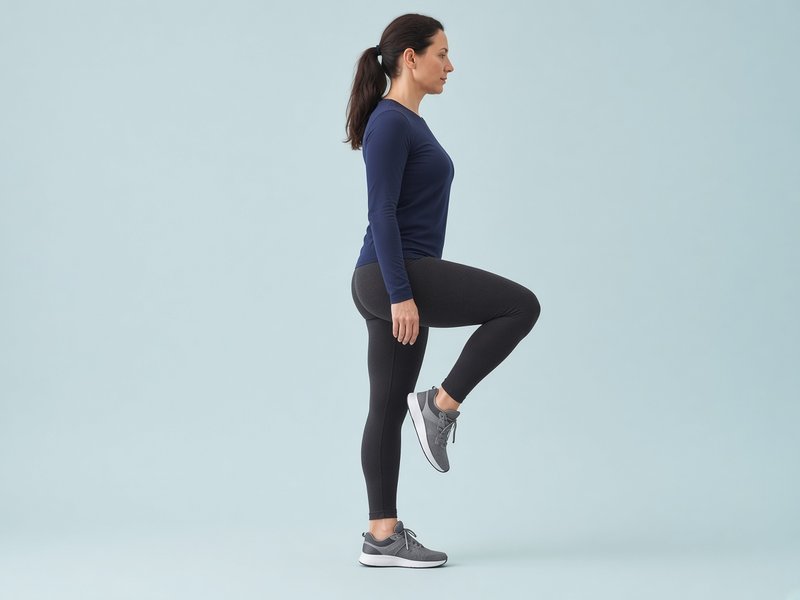
Stand on the injured leg for 30 seconds. Progress to eyes closed, then a cushion or foam pad.
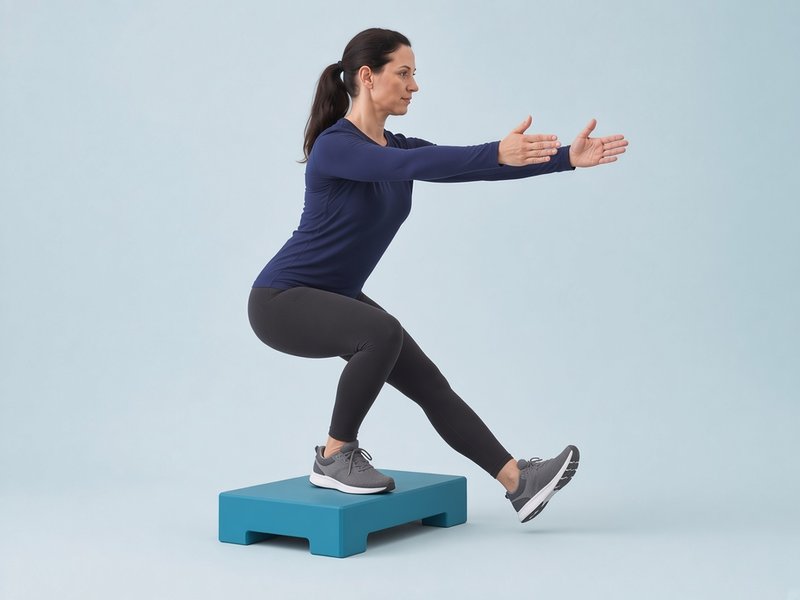
Step-down
Stand on the injured leg on a low step and slowly lower the other heel to touch the floor, knee in line with your second toe.
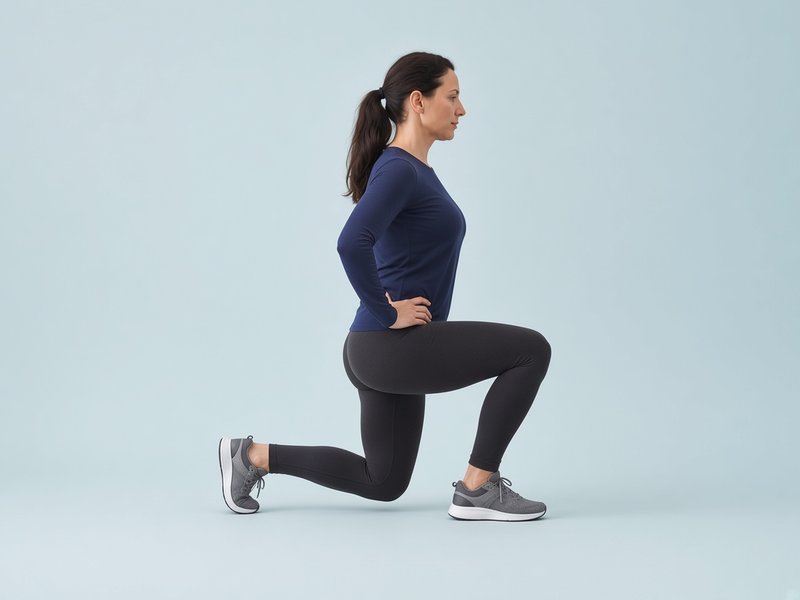
Squat, then split squat
Squats, then split squats, rebuild the leg strength needed for stairs, running and landing.
Sets, repetitions and frequency in these tables are typical guidance. Your physiotherapist may change them.
| Exercise | Sets × reps | How often | Progress by |
|---|---|---|---|
| Knee-to-wall | 3 × 10 | Daily | Foot further from the wall |
| Heel raises | 3 × 15 | Daily | Injured leg alone |
| Band eversion and inversion | 3 × 15 | Daily | Stronger band |
| Single-leg balance | 3 × 30 seconds | Daily | Eyes closed, cushion |
| Step-downs and split squats | 3 × 10 | Every other day | Higher step, weight |
Ready to move on to Phase 4?
- You walk normally without a limp
- You can do 25 single-leg heel raises
- Your balance on one leg is similar to the other side
Running and sport
Typical timing: from about 12 weeks.
Goals
- Return to running, jumping and sport
What to avoid
- Building up distance and speed in the same week
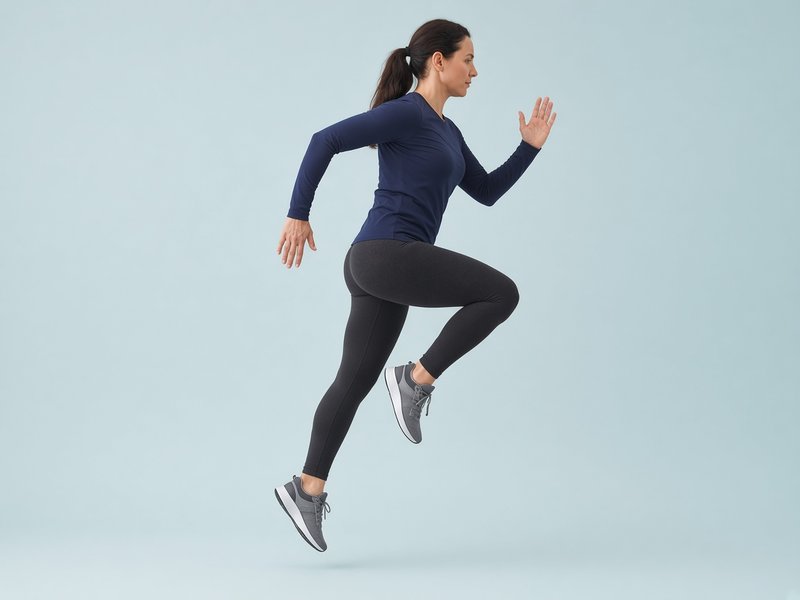
Hops
From about 12 weeks, once walking is normal and you can do 25 heel raises, start small two-footed jumps, then hops on the injured leg.
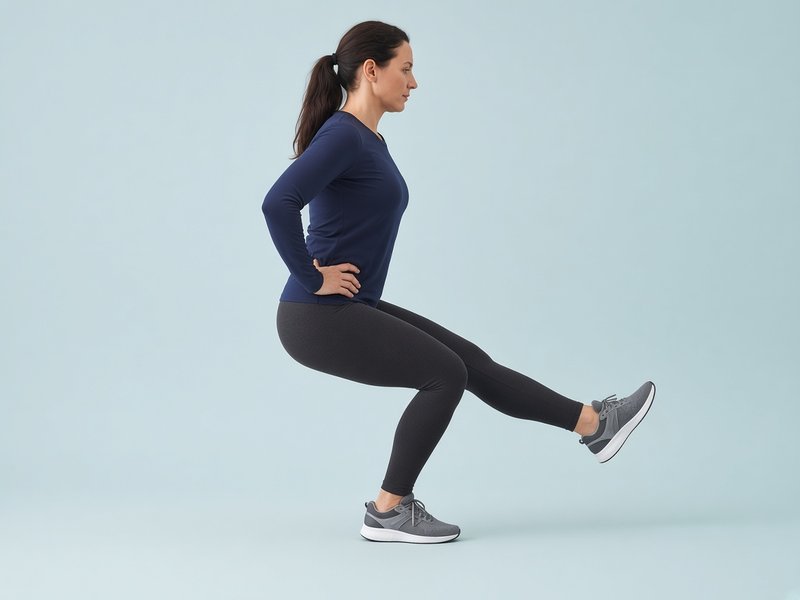
Y-balance reach
Reach the other foot along three taped lines while balancing on the injured leg. Aim for at least 90% of your other leg before sport.
Sets, repetitions and frequency in these tables are typical guidance. Your physiotherapist may change them.
| Exercise | Sets × reps | How often | Progress by |
|---|---|---|---|
| Hops: forwards, backwards, side to side | 3 × 10 | Every other day | Speed and distance |
| Y-balance reach | 3 reaches each way | Every other day | Further reach |
| Walk–jog plan | See the ankle sprain rehab running plan | Every other day | One stage at a time |
For the full running plan and return-to-sport checks, see Ankle Sprain Rehab: Step-by-Step Return to Sport, which uses the same steps.
What to expect: swelling and realistic goals
Swelling
- Swelling at the end of the day is normal for several months, and can last up to a year or more after surgery.
- Elevate in the evenings, and a compression sock can help once the wounds have healed.
Realistic goals
- 2 weeks: wound check, into a boot, scar care and gentle movement
- 6 weeks: X-ray, into a short boot or VACOped, walking further
- 12 weeks: starting to run
- 6 months: most sport for most people
- 12–18 months: full recovery after surgery and your new baseline. Most of these operations take 12 to 18 months before the foot or ankle settles to how it will be long term, so do not judge the result too early.
Upward ankle bend (dorsiflexion)
- Loss of upward bend at the ankle is very common after an ankle fracture and is often the last thing to come back.
- Measure it with the knee-to-wall test: the distance from your big toe to the wall when your knee just touches it with the heel down. Compare it with the other side every week, and keep stretching daily until the two sides match, which can take many months.
When to get help
Call 999 or go to A&E straight away if
- you develop chest pain or breathlessness, or cough up blood (possible blood clot in the lung)
Contact us the same day if
- your calf becomes painful, swollen, warm or red
- the wound becomes red, hot, more painful or leaks fluid, or you have a fever
- pain, numbness or tingling gets worse in the cast or boot
Frequently Asked Questions
References
- Moseley AM, Beckenkamp PR, Haas M, Herbert RD, Lin CW; EXACT Team. Rehabilitation after immobilization for ankle fracture: the EXACT randomized clinical trial. JAMA. 2015;314(13):1376–1385. doi:10.1001/jama.2015.12180
- Lin CC, Moseley AM, Refshauge KM. Rehabilitation for ankle fractures in adults. Cochrane Database Syst Rev. 2012;(11):CD005595. doi:10.1002/14651858.CD005595.pub3
- Willett K, Keene DJ, Mistry D, et al. Close contact casting vs surgery for initial treatment of unstable ankle fractures in older adults: a randomized clinical trial. JAMA. 2016;316(14):1455–1463. doi:10.1001/jama.2016.14719
Kit I recommendالعدّة التي أوصي بها
Items patients often find useful during rehab. These are general suggestions, not medical advice; follow the advice of Mr Hester or your physiotherapist.
Get the starter kit in one click
Adds 5 items to your Amazon basket: Leg elevation pillow, Waterproof cast cover, Kelo-cote scar gel, THERABAND resistance bands, Foam balance pad. You can remove anything you do not need before you check out.
Add the starter kit to my Amazon basket →- Leg elevation pillow — For keeping the toes above the nose in the first 2 weeks
- Elbow crutches — For getting about without weight on the leg
- Knee scooter — An alternative to crutches while non-weight-bearing
- iWALK hands-free crutch — Hands-free option for the early weeks
- Waterproof cast cover — Keeps the cast or dressing dry
- Shower stool — For washing safely
- Kelo-cote scar gel — For scar care once the wound has healed
- VACOped boot — If a VACOped boot is part of your plan
- Short surgical boot — If a short boot is part of your plan
- THERABAND resistance bands — For the band exercises
- Foam balance pad — For balance work
See all recommended equipment on Equipment & Devices.
To discuss your symptoms with Mr Hester, please get in touch to arrange a consultation. Appointments are available privately in central London and in the NHS at King's College Hospital.
Book a ConsultationCall 020 7046 8004. Private clinics at Devonshire Place, Cromwell Road, London Bridge and King Edward VII's Hospital.
This page provides general information and is not a substitute for personal medical advice. If you have diabetes, reduced sensation or circulation problems in your feet, or sudden severe pain, swelling or redness, please seek medical advice promptly.
الكاحل المكسور
تأهيل كسر الكاحل: من الجبيرة إلى الجري
بعد أن يلتئم الكاحل المكسور بما يكفي للخروج من الجبيرة أو الحذاء الطبي، يكون التأهيل مشابهًا إلى حد كبير لتأهيل الالتواء الشديد في الكاحل: استعادة حركة الكاحل، ثم القوة، ثم التوازن، ثم الجري. تعرض هذه الصفحة مسار السيد هيستر، من الجراحة أو الأيام الأولى في الحذاء الطبي، وصولًا إلى الجري في نحو الأسبوع 12. قد يستغرق التعافي الكامل بعد الجراحة حتى 18 شهرًا.
نظرة سريعة
- كم سأبقى في الجبيرة أو الحذاء الطبي؟
- بعد الجراحة، جبيرة مؤقتة لمدة أسبوعين دون تحميل وزن على الساق، ثم عادةً حذاء طبي حتى تبدأ العناية بالندبة والحركة؛ وأحيانًا جبيرة أخرى حتى الأسبوع 6. في الأسبوع 6 تنتقل إلى حذاء جراحي قصير أو حذاء VACOped، بحسب العملية. أما الكسور المستقرة التي تُعالج دون جراحة فتكون عادةً في حذاء طبي، مع تحميل الوزن عليه بحسب ما تسمح الراحة.
- ما أهم تمرين؟
- استعادة قدرة الكاحل على الانثناء إلى الأعلى (الركبة إلى الجدار)، ثم قوة الساق والتوازن على ساق واحدة.
- هل أحتاج إلى علاج طبيعي رسمي؟
- يبدأ العلاج الطبيعي بمجرد إمكانية الوصول إلى الساق، في الأسبوع 2 أو 6. وفي الكسور غير المعقدة، وجدت تجربة أسترالية كبيرة أن برنامج التمارين تحت الإشراف لم يكن أفضل من النصيحة مع برنامج منزلي مثل هذا البرنامج.
- متى يمكنني الجري؟
- الجري والقفز عادةً من نحو الأسبوع 12.
لمن هذه الصفحة
تتناول هذه الصفحة: كسور الكاحل (كسور الشظية، والكعب الإنسي، والكسور ثنائية وثلاثية الكعب) المعالجة بالجراحة أو دونها، بعد أن يخبرك جراحك بأن تحريك الكاحل أصبح آمنًا.
قد تختلف خطتك الخاصة. تعتمد مدة تحميل الوزن والحذاء الطبي على نوع الكسر وطريقة التثبيت. اتبع دائمًا الخطة التي تُعطى لك في كل مراجعة.
النقاط الرئيسية
- بعد الجراحة: أسبوعان في جبيرة مؤقتة دون تحميل وزن على الساق، مع رفع الساق.
- من الأسبوع 2، إن أمكن، حذاء طبي حتى تبدأ العناية بالندبة وإزالة فرط الحساسية والحركة اللطيفة.
- بعد الخروج من الحذاء الطبي، يتبع التأهيل الخطوات نفسها المتبعة في الالتواء الشديد في الكاحل.
- كثيرًا ما يقل انثناء الكاحل إلى الأعلى (الثني الظهري) بعد الكسر، وهو أكثر ما يؤخر المرضى؛ اعمل عليه يوميًا.
- البدء المبكر في تحميل الوزن على الساق، واستخدام حذاء طبي قابل للخلع يتيح تمارين لطيفة، قد يحسّنان التعافي.[2]
- في تجربة كبيرة، لم يكن برنامج التمارين تحت الإشراف بعد الجبيرة أو الحذاء الطبي أفضل من النصيحة مع التمارين المنزلية، ولذلك فإن البرنامج المنزلي في هذه الصفحة مهم.[1]
خريطة تعافيك
| المرحلة | التوقيت المعتاد | التركيز |
|---|---|---|
| 1. الحماية | الأسابيع 0–2 بعد الجراحة (أو الأيام الأولى في الكسر المستقر) | جبيرة أو حذاء طبي، رفع الساق، عكازات |
| 2. الحذاء الطبي والعناية بالندبة والحركة | الأسابيع 2–6 (حتى 12 إذا احتجت إلى جبيرة حتى الأسبوع 6) | حذاء طبي، عناية بالندبة، حركة لطيفة للكاحل |
| 3. القوة والتوازن | من الأسبوع 6 | خارج الحذاء الطبي، كما في التواء الكاحل: الحركة، القوة، التوازن |
| 4. الجري والرياضة | من نحو الأسبوع 12 | القفز والجري وتمارين الرياضة |
ما مقدار الألم المقبول؟
- بعض التيبس والألم أثناء التمارين أمر طبيعي. أبقِ الألم عند 3 من 10 أو أقل، على أن يهدأ بحلول صباح اليوم التالي.
- التورم في نهاية اليوم أمر طبيعي لعدة أشهر.
الحماية
التوقيت المعتاد: الأسابيع 0–2.
الأهداف
- حماية التثبيت والسماح للجرح بالالتئام
- السيطرة على التورم
ما يجب تجنبه
- تحميل الوزن على الساق بعد الجراحة ما لم يُسمح لك بذلك
- تعريض الجبيرة للماء
رفع الساق
أبقِ الساق مرفوعة بحيث تكون أصابع القدم أعلى من مستوى أنفك، ويُفضَّل 55 دقيقة من كل ساعة في الأسبوعين الأولين. هذا يسيطر على التورم ويحمي الجرح بعد الجراحة.
التنقل
استخدم العكازات أو سكوتر الركبة أو عكازًا لا يحتاج إلى اليدين. بعد الجراحة لا تحمّل الوزن عادةً في الأسبوعين الأولين. أما الكسر المستقر المعالج في حذاء طبي، فيمكنك عادةً تحميل الوزن عليه بحسب ما تسمح الراحة منذ البداية.
رفع الساق المستقيمة وتمارين الجذع
حافظ على قوة الفخذ والورك والجذع برفع الساق المستقيمة وتمرين الجسر وتمارين الجزء العلوي من الجسم بدءًا من الأسبوع 2، دون أي ضغط على الكاحل المصاب.
هل أنت مستعد لمراجعة الأسبوع 2؟
- تمت مراجعة الأسبوع 2 والتأم الجرح
الحذاء الطبي والعناية بالندبة والحركة
التوقيت المعتاد: الأسابيع 2–6.
الأهداف
- العناية بالندبة
- تحريك الكاحل بلطف
- الحفاظ على اللياقة بتمارين الجزء العلوي والجذع
ما يجب تجنبه
- إجبار الحركات المؤلمة
- المشي دون الحذاء الطبي ما لم يُسمح لك بذلك
العناية بالندبة وإزالة فرط الحساسية
بعد التئام الجرح، عادةً من نحو الأسبوع 2، دلّك الندبة بجل Kelo-cote أو زيت الخروع أو كريم مرطب لمدة 5 دقائق، مرتين أو ثلاثًا يوميًا. امسح الجلد حولها بملامس مختلفة لتهدئة أي خدر أو فرط حساسية.
أبجدية الكاحل
خارج الحذاء الطبي، ومع وضع كعبك على وسادة، ارسم الحروف من A إلى Z في الهواء بإصبع قدمك الكبير. ابدأ بحروف صغيرة وكبّرها بحسب ما يسمح الألم.
إطالة الساق بالمنشفة
لُفّ منشفة حول مقدمة قدمك واسحب قدمك نحوك بلطف حتى تشعر بإطالة في ربلة الساق. اثبت 30 ثانية.
رفع الكعب والأصابع جالسًا
اجلس والقدمان مسطحتان على الأرض. ارفع كعبيك، ثم أنزلهما، ثم ارفع أصابع قدميك. هذا يعيد تشغيل عضلة الساق بعد الحذاء الطبي.
الدراجة وجهاز الإليبتيكال والسباحة
من نحو الأسبوع 6، تعيد الدراجة الثابتة وجهاز الإليبتيكال والسباحة (بعد التئام الجرح) بناء اللياقة وحركة الكاحل.
عدد المجموعات والتكرارات ومرات التمرين في هذه الجداول إرشادات معتادة، وقد يغيّرها أخصائي العلاج الطبيعي.
| التمرين | المجموعات × التكرارات | عدد المرات | التدرج |
|---|---|---|---|
| تدليك الندبة وإزالة فرط الحساسية | 5 دقائق | 2–3 مرات يوميًا | الاستمرار لنحو 3 أشهر |
| أبجدية الكاحل | أبجدية أو اثنتان | 2–3 مرات يوميًا | حروف أكبر |
| إطالة الساق بالمنشفة | 3 × 30 ثانية | 2–3 مرات يوميًا | إطالة الساق وقوفًا |
| رفع الكعب والأصابع جالسًا | 3 × 15 | يوميًا | رفع الكعب وقوفًا |
| الدراجة، جهاز الإليبتيكال، السباحة | 20–30 دقيقة | من الأسبوع 6، 3–5 مرات أسبوعيًا | مدة أطول وجهد أكبر |
هل أنت مستعد للانتقال إلى المرحلة 3؟
- خرجت من الحذاء الطبي في مراجعة الأسبوع 6
- التورم يهدأ
القوة والتوازن
التوقيت المعتاد: من نحو الأسبوع 6.
الأهداف
- استعادة الحركة الكاملة للكاحل
- إعادة بناء قوة الساق والتوازن
- المشي بشكل طبيعي دون عرج
ما يجب تجنبه
- الجري والقفز قبل نحو الأسبوع 12
- الأرض غير المستوية حتى يصبح توازنك جيدًا
الركبة إلى الجدار
التيبس عند ثني الكاحل إلى الأعلى هو أكثر المشكلات شيوعًا بعد الكسر. قف مواجهًا الجدار، أبقِ كعبك على الأرض واثنِ الركبة لتلمس الجدار، مع إبعاد القدم إلى الخلف قليلًا في كل مرة. قارن المسافة بقدمك الأخرى كل أسبوع واستمر يوميًا حتى تتساويا؛ وقد يستغرق ذلك أشهرًا عديدة.
رفع الكعب
ارتفع على مقدمة القدمين وانزل ببطء. تقدّم إلى الساق المصابة وحدها، بهدف 25 رفعة متتالية.
تمارين الشريط المطاطي
أدر القدم إلى الخارج، ثم إلى الداخل، ضد شريط خفيف لتقوية العضلات التي تتحكم في الكاحل.
التوازن على ساق واحدة
قف على الساق المصابة لمدة 30 ثانية. تقدّم إلى إغلاق العينين، ثم الوقوف على وسادة أو قطعة إسفنج.
النزول عن الدرجة
قف على الساق المصابة على درجة منخفضة وأنزل كعب الساق الأخرى ببطء ليلمس الأرض، مع إبقاء الركبة على خط إصبع القدم الثاني.
القرفصاء، ثم القرفصاء المنفرجة
تمارين القرفصاء ثم القرفصاء المنفرجة تعيد بناء قوة الساق اللازمة لصعود الدرج والجري والهبوط.
عدد المجموعات والتكرارات ومرات التمرين في هذه الجداول إرشادات معتادة، وقد يغيّرها أخصائي العلاج الطبيعي.
| التمرين | المجموعات × التكرارات | عدد المرات | التدرج |
|---|---|---|---|
| الركبة إلى الجدار | 3 × 10 | يوميًا | إبعاد القدم أكثر عن الجدار |
| رفع الكعب | 3 × 15 | يوميًا | الساق المصابة وحدها |
| تدوير القدم للخارج وللداخل بالشريط | 3 × 15 | يوميًا | شريط أقوى |
| التوازن على ساق واحدة | 3 × 30 ثانية | يوميًا | إغلاق العينين، وسادة |
| النزول عن الدرجة والقرفصاء المنفرجة | 3 × 10 | يومًا بعد يوم | درجة أعلى، وزن |
هل أنت مستعد للانتقال إلى المرحلة 4؟
- تمشي بشكل طبيعي دون عرج
- تستطيع أداء 25 رفعة كعب على ساق واحدة
- توازنك على ساق واحدة مماثل للجهة الأخرى
الجري والرياضة
التوقيت المعتاد: من نحو الأسبوع 12.
الأهداف
- العودة إلى الجري والقفز والرياضة
ما يجب تجنبه
- زيادة المسافة والسرعة في الأسبوع نفسه
القفز
من نحو الأسبوع 12، بعد أن يصبح المشي طبيعيًا وتستطيع أداء 25 رفعة كعب، ابدأ بقفزات صغيرة على القدمين، ثم القفز على الساق المصابة.
اختبار التوازن Y
مدّ القدم الأخرى على امتداد ثلاثة خطوط مرسومة بالشريط اللاصق أثناء التوازن على الساق المصابة. اهدف إلى 90% على الأقل من ساقك الأخرى قبل الرياضة.
عدد المجموعات والتكرارات ومرات التمرين في هذه الجداول إرشادات معتادة، وقد يغيّرها أخصائي العلاج الطبيعي.
| التمرين | المجموعات × التكرارات | عدد المرات | التدرج |
|---|---|---|---|
| القفز: إلى الأمام، وإلى الخلف، ومن جانب إلى آخر | 3 × 10 | يومًا بعد يوم | السرعة والمسافة |
| اختبار التوازن Y | 3 مدّات في كل اتجاه | يومًا بعد يوم | مدّ أبعد |
| خطة المشي والهرولة | انظر خطة الجري في تأهيل التواء الكاحل | يومًا بعد يوم | مرحلة واحدة في كل مرة |
للاطلاع على خطة الجري الكاملة واختبارات العودة إلى الرياضة، انظر تأهيل التواء الكاحل: العودة إلى الرياضة خطوة بخطوة، الذي يتبع الخطوات نفسها.
ما الذي تتوقعه: التورم والأهداف الواقعية
التورم
- التورم في نهاية اليوم أمر طبيعي لعدة أشهر، وقد يستمر حتى سنة أو أكثر بعد الجراحة.
- ارفع ساقك في المساء، وقد يساعد الجورب الضاغط بعد التئام الجروح.
أهداف واقعية
- الأسبوع 2: فحص الجرح، الانتقال إلى الحذاء الطبي، العناية بالندبة والحركة اللطيفة
- الأسبوع 6: صورة أشعة، الانتقال إلى حذاء قصير أو VACOped، المشي لمسافات أطول
- الأسبوع 12: بدء الجري
- 6 أشهر: معظم الرياضات لمعظم المرضى
- 12–18 شهرًا: التعافي الكامل بعد الجراحة والوصول إلى وضعك الأساسي الجديد. تستغرق معظم هذه العمليات من 12 إلى 18 شهرًا قبل أن تستقر القدم أو الكاحل على حالتها على المدى الطويل، لذا لا تحكم على النتيجة مبكرًا.
انثناء الكاحل إلى الأعلى (الثني الظهري)
- فقدان جزء من انثناء الكاحل إلى الأعلى شائع جدًا بعد كسر الكاحل، وغالبًا ما يكون آخر ما يعود.
- قِسه باختبار الركبة إلى الجدار: المسافة بين إصبع قدمك الكبير والجدار عندما تلمسه ركبتك بالكاد والكعب على الأرض. قارنها بالجهة الأخرى كل أسبوع، واستمر في الإطالة يوميًا حتى تتساوى الجهتان، وقد يستغرق ذلك أشهرًا عديدة.
متى تطلب المساعدة
اتصل على 999 أو توجه إلى قسم الطوارئ فورًا إذا
- شعرت بألم في الصدر أو ضيق في التنفس، أو سعلت دمًا (احتمال جلطة دموية في الرئة)
تواصل معنا في اليوم نفسه إذا
- أصبحت ربلة ساقك مؤلمة أو متورمة أو دافئة أو حمراء
- أصبح الجرح أحمر أو ساخنًا أو أكثر ألمًا أو ظهرت منه إفرازات، أو أصبت بحمى
- ازداد الألم أو الخدر أو الوخز داخل الجبيرة أو الحذاء الطبي
الأسئلة الشائعة
المراجع
- Moseley AM, Beckenkamp PR, Haas M, Herbert RD, Lin CW; EXACT Team. Rehabilitation after immobilization for ankle fracture: the EXACT randomized clinical trial. JAMA. 2015;314(13):1376–1385. doi:10.1001/jama.2015.12180
- Lin CC, Moseley AM, Refshauge KM. Rehabilitation for ankle fractures in adults. Cochrane Database Syst Rev. 2012;(11):CD005595. doi:10.1002/14651858.CD005595.pub3
- Willett K, Keene DJ, Mistry D, et al. Close contact casting vs surgery for initial treatment of unstable ankle fractures in older adults: a randomized clinical trial. JAMA. 2016;316(14):1455–1463. doi:10.1001/jama.2016.14719
Kit I recommendالعدّة التي أوصي بها
أدوات يجدها المرضى مفيدة غالبًا أثناء التأهيل. هذه اقتراحات عامة وليست نصيحة طبية؛ اتبع نصيحة السيد هيستر أو أخصائي العلاج الطبيعي.
احصل على عدّة البداية بنقرة واحدة
يضيف 5 عناصر إلى سلة أمازون: وسادة رفع الساق، وغطاء جبيرة مقاوم للماء، وجل الندبات Kelo-cote، وأشرطة مقاومة THERABAND، ووسادة توازن إسفنجية. يمكنك إزالة أي شيء لا تحتاجه قبل الدفع.
أضف عدّة البداية إلى سلة أمازون ←- وسادة رفع الساق — لإبقاء أصابع القدم أعلى من الأنف في الأسبوعين الأولين
- عكازات المرفق — للتنقل دون تحميل وزن على الساق
- سكوتر الركبة — بديل للعكازات خلال فترة عدم تحميل الوزن
- عكاز iWALK دون استخدام اليدين — خيار يحرر اليدين في الأسابيع الأولى
- غطاء جبيرة مقاوم للماء — يحافظ على جفاف الجبيرة أو الضماد
- كرسي استحمام — للاغتسال بأمان
- جل الندبات Kelo-cote — للعناية بالندبة بعد التئام الجرح
- حذاء VACOped — إذا كان حذاء VACOped جزءًا من خطتك
- حذاء جراحي قصير — إذا كان الحذاء القصير جزءًا من خطتك
- أشرطة مقاومة THERABAND — لتمارين الشريط المطاطي
- وسادة توازن إسفنجية — لتمارين التوازن
اطلع على جميع المعدات الموصى بها في صفحة المعدات والأجهزة.
لمناقشة أعراضك مع السيد هيستر، يرجى التواصل معنا لترتيب استشارة. المواعيد متاحة في العيادات الخاصة بوسط لندن وضمن هيئة الخدمات الصحية الوطنية (NHS) في مستشفى كينجز كوليدج.
احجز استشارةاتصل على 020 7046 8004. عيادات خاصة في ديفونشاير بليس وكرومويل رود ولندن بريدج ومستشفى الملك إدوارد السابع.
تقدم هذه الصفحة معلومات عامة وليست بديلًا عن الاستشارة الطبية الشخصية. إذا كنت مصابًا بالسكري، أو تعاني ضعف الإحساس أو مشكلات في الدورة الدموية في قدميك، أو ألمًا شديدًا مفاجئًا أو تورمًا أو احمرارًا، فيرجى طلب المشورة الطبية دون تأخير.